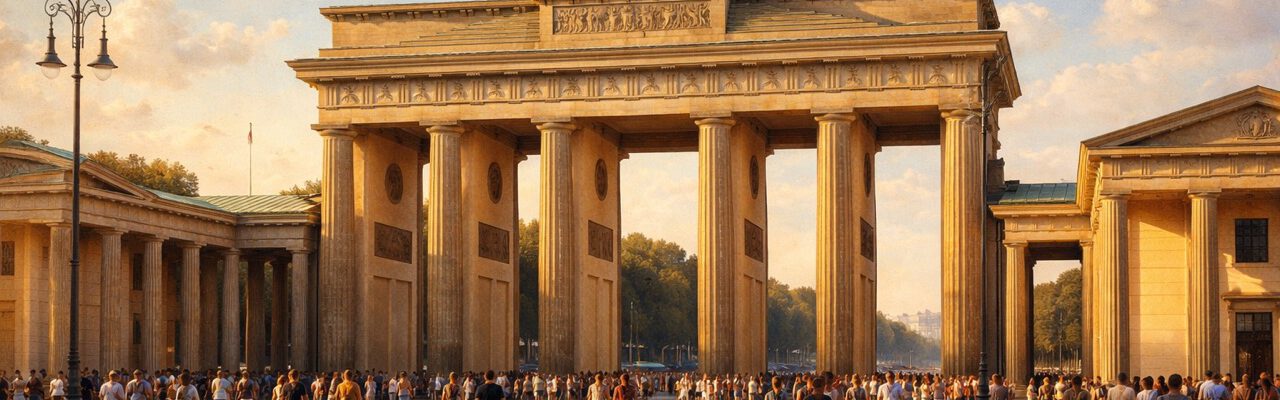
Black/White edition
Berlin is a vibrant capital where history and modern creativity meet. Shaped by dramatic events of the 20th century, the city blends historic landmarks like the Brandenburg Gate with cutting-edge architecture, street art, and a world-famous nightlife. Known for its openness, cultural diversity, and thriving arts scene, Berlin is a place that constantly reinvents itself while staying deeply connected to its past.
What to see
Panoramastraße 1a, 10178 Berlin, Germany
Mühlenstraße 79, 10243 Berlin, Germany
Holzmarktstraße 25, 10243 Berlin, Germany
Platz Der Republik 1, 11011 Berlin, Germany
Pariser Platz, 10117 Berlin, Germany
Cora-Berliner-Straße 1, 10117 Berlin, Germany
Olympischer Platz 3, 14053 Berlin, Germany
Europaplatz 1, 10557 Berlin, Germany
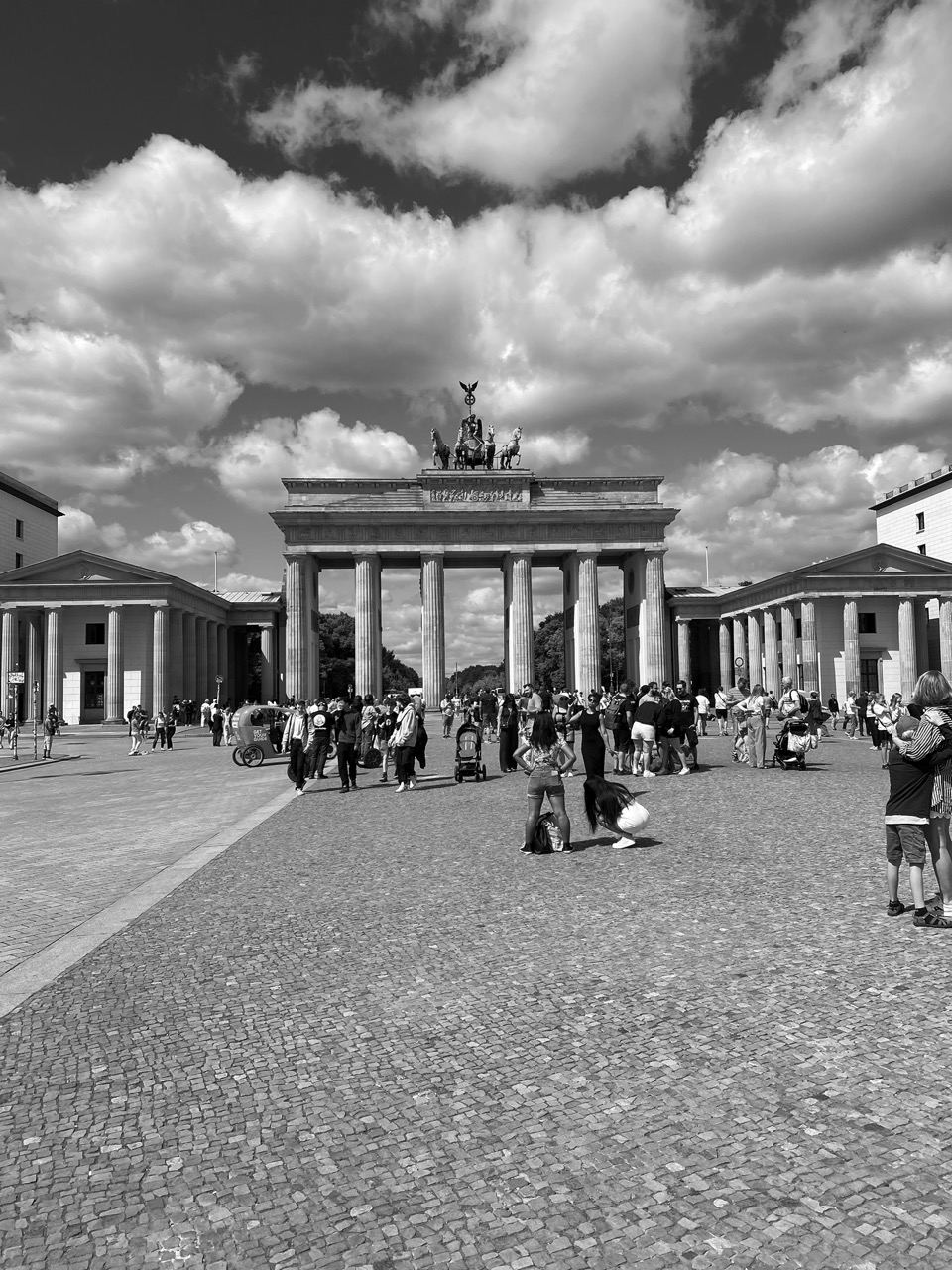
Brandenburger Tor
The Brandenburger Tor is one of Berlin’s most iconic landmarks and a powerful symbol of German history.
Built in the late 18th century, it has witnessed major events from Prussian rule to the division and reunification of Germany.
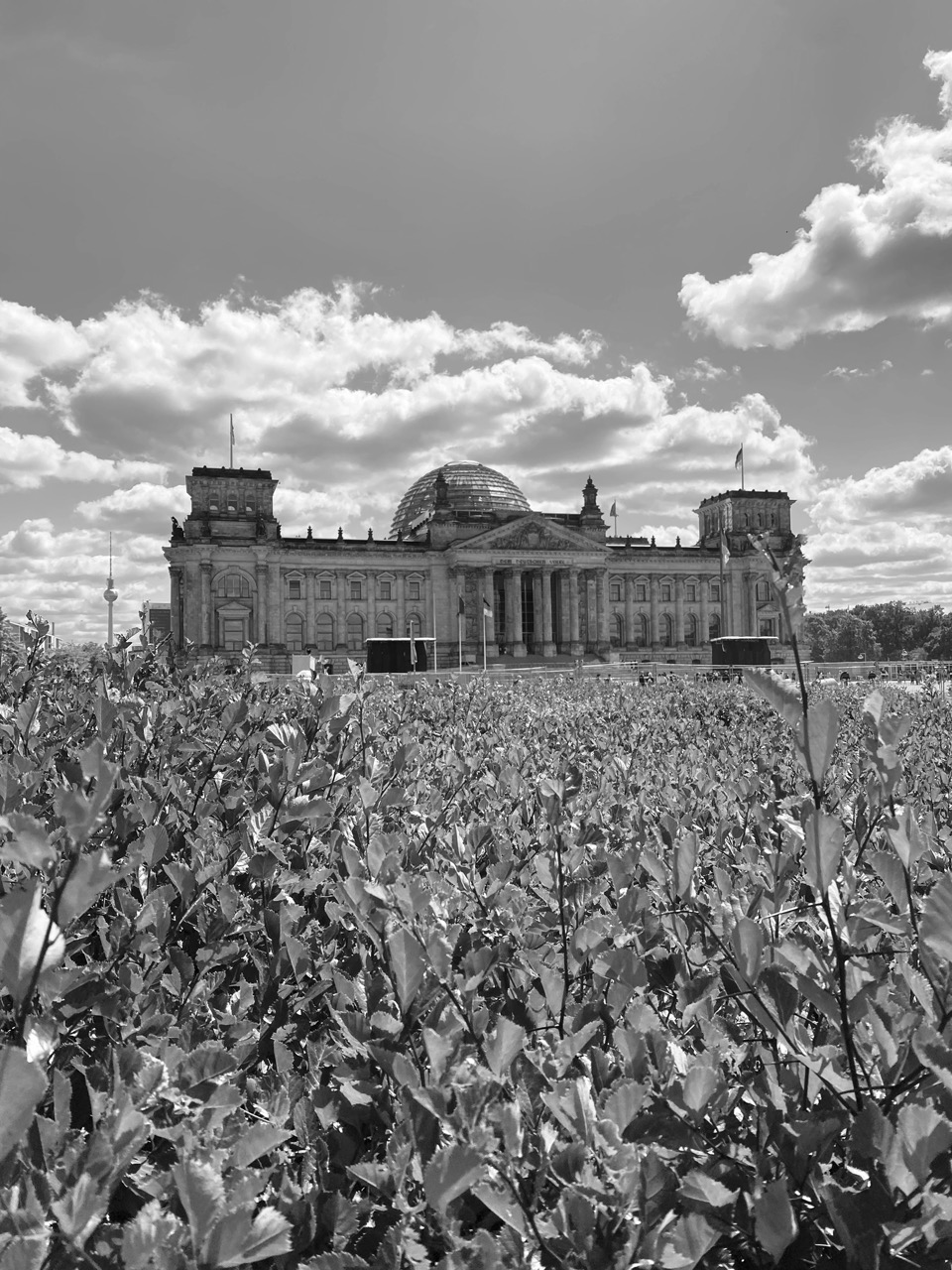
Bundestag
The Bundestag, located in Berlin’s historic government district, is the seat of the German federal parliament. Housed in the Reichstag building, it combines rich history with modern design, highlighted by its striking glass dome symbolizing transparency in democracy.
The surrounding area along the River Spree is home to key government buildings, open spaces, and memorials.
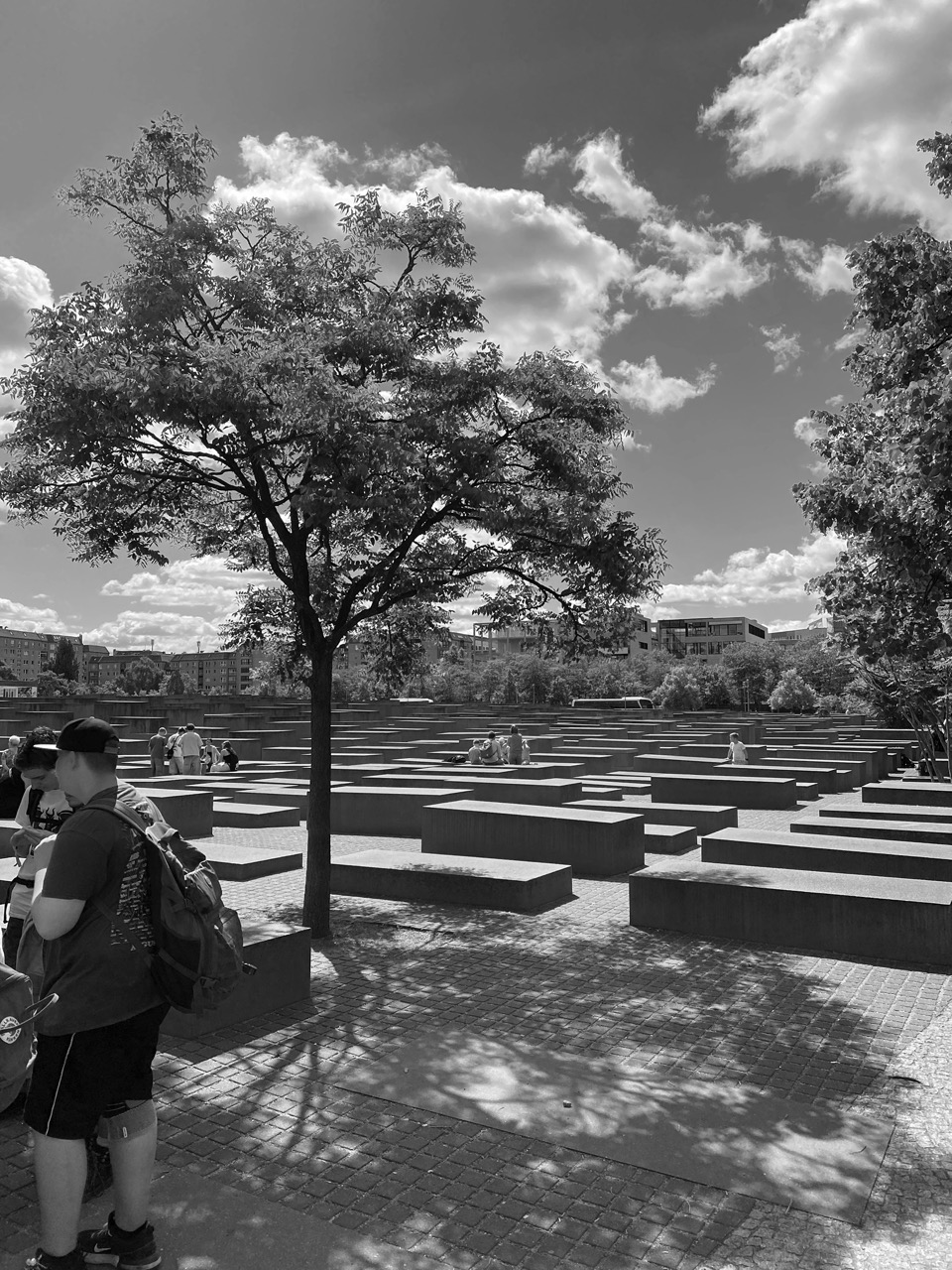
Holocaust Memorial
The Holocaust Memorial in Berlin, officially known as the Memorial to the Murdered Jews of Europe, commemorates the six million Jewish victims of the Holocaust.
Opened in 2005 near the Brandenburg Gate, its field of concrete stelae creates a powerful and reflective space that invites visitors to remember, reflect, and confront the history of Nazi persecution and genocide.
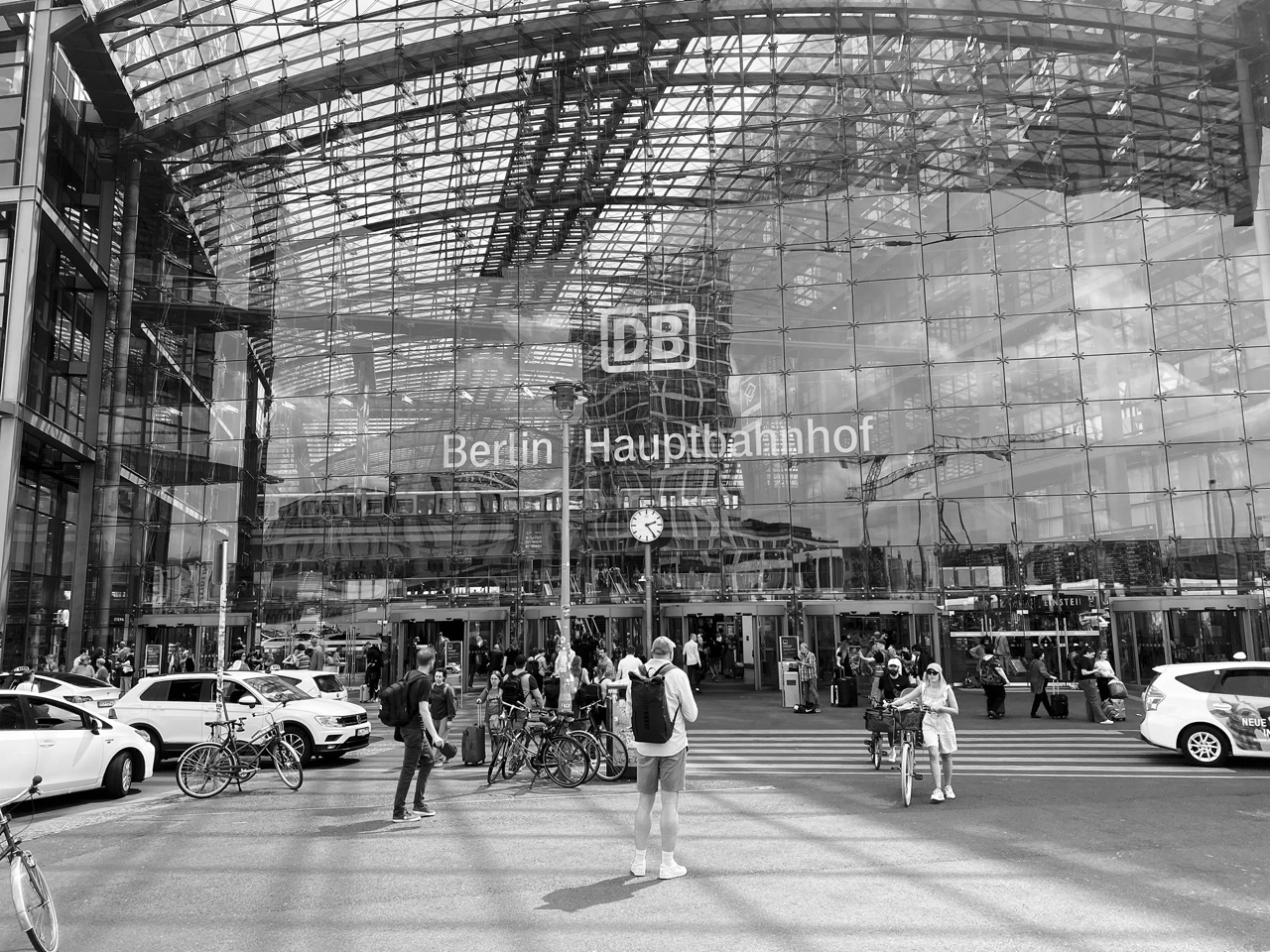
Main Station Berlin
Berlin Hauptbahnhof is the city’s main railway station and one of the largest and most modern transport hubs in Europe. Opened in 2006, it connects regional, national, and international routes through its striking glass-and-steel architecture.
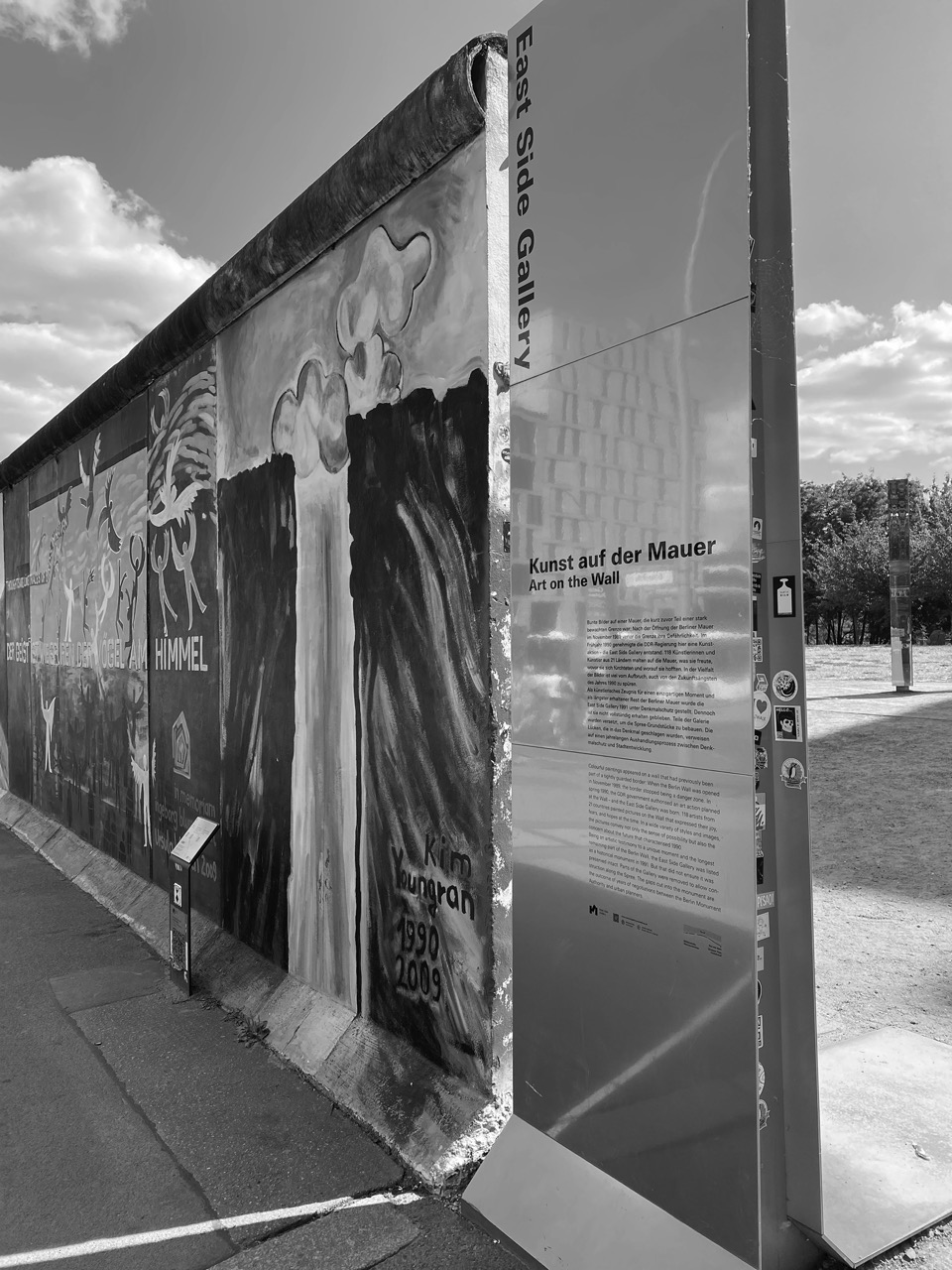
Berliner Mauer
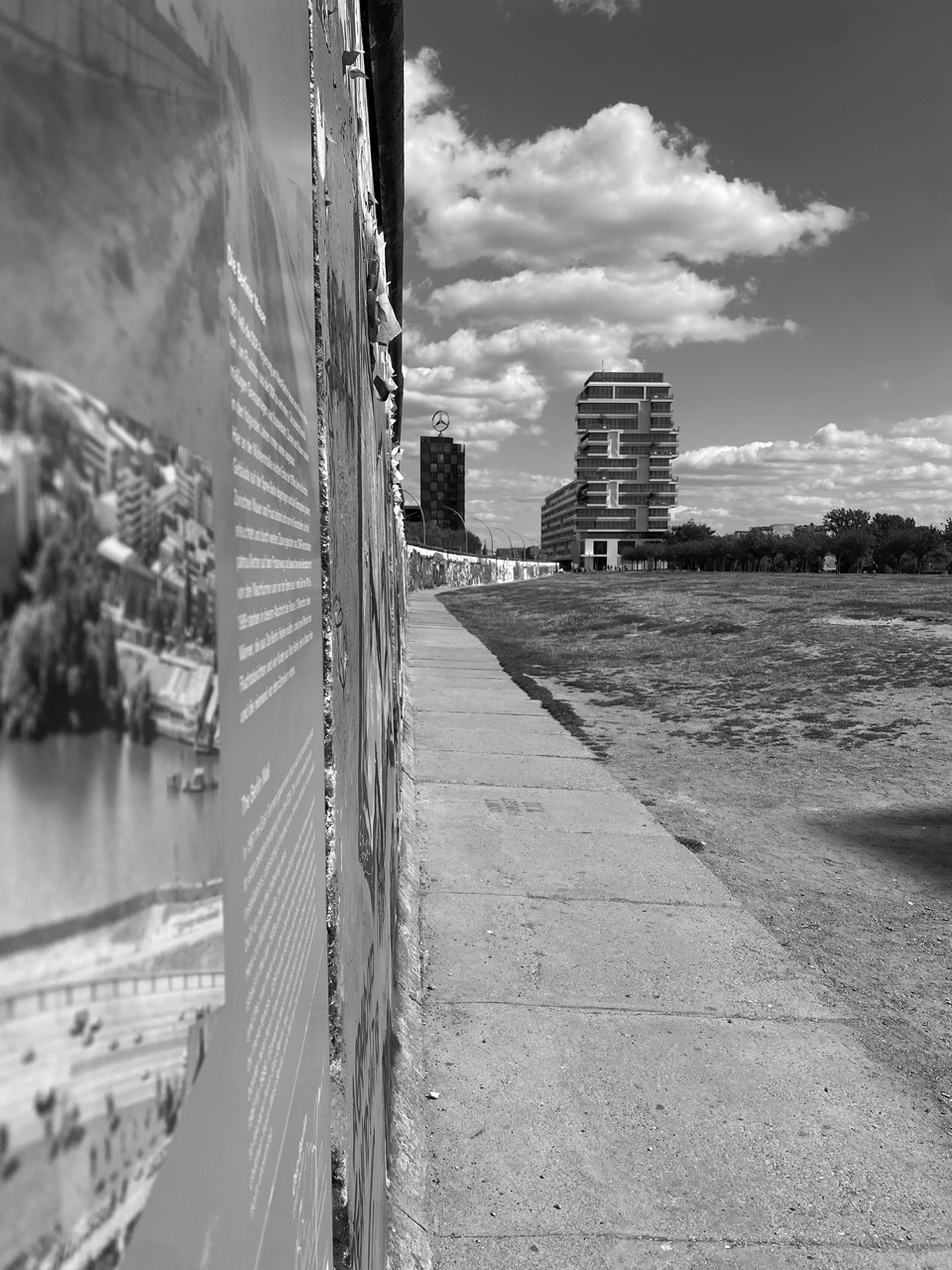
The Berliner Mauer, or Berlin Wall, was a powerful symbol of the Cold War, dividing East and West Berlin from 1961 to 1989. Built by the German Democratic Republic, it separated families and restricted freedom, while becoming a focal point of political tension. Today, sections of the Wall stand as memorials and open-air galleries, reminding visitors of the city’s turbulent past and the triumph of reunification.
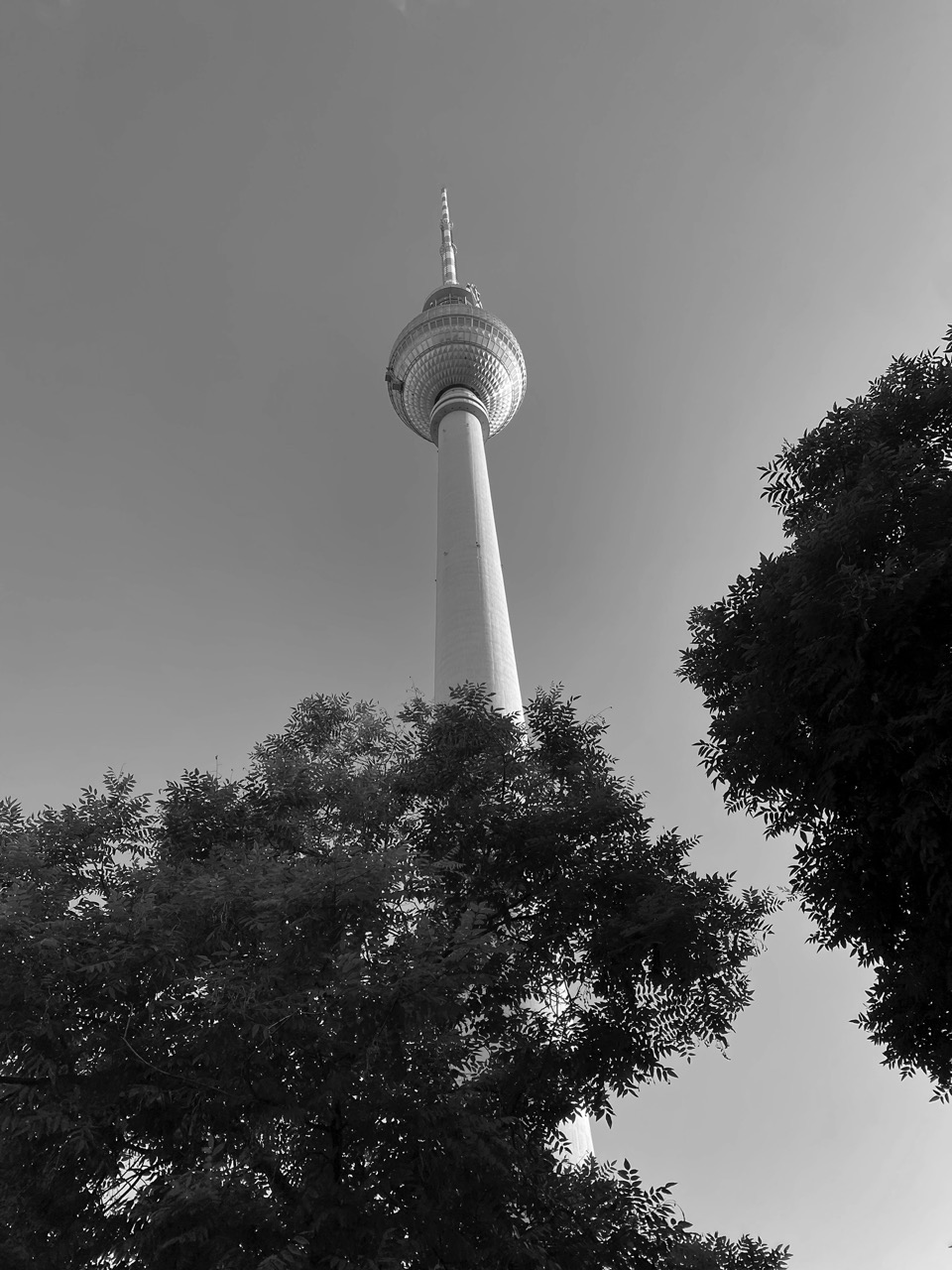
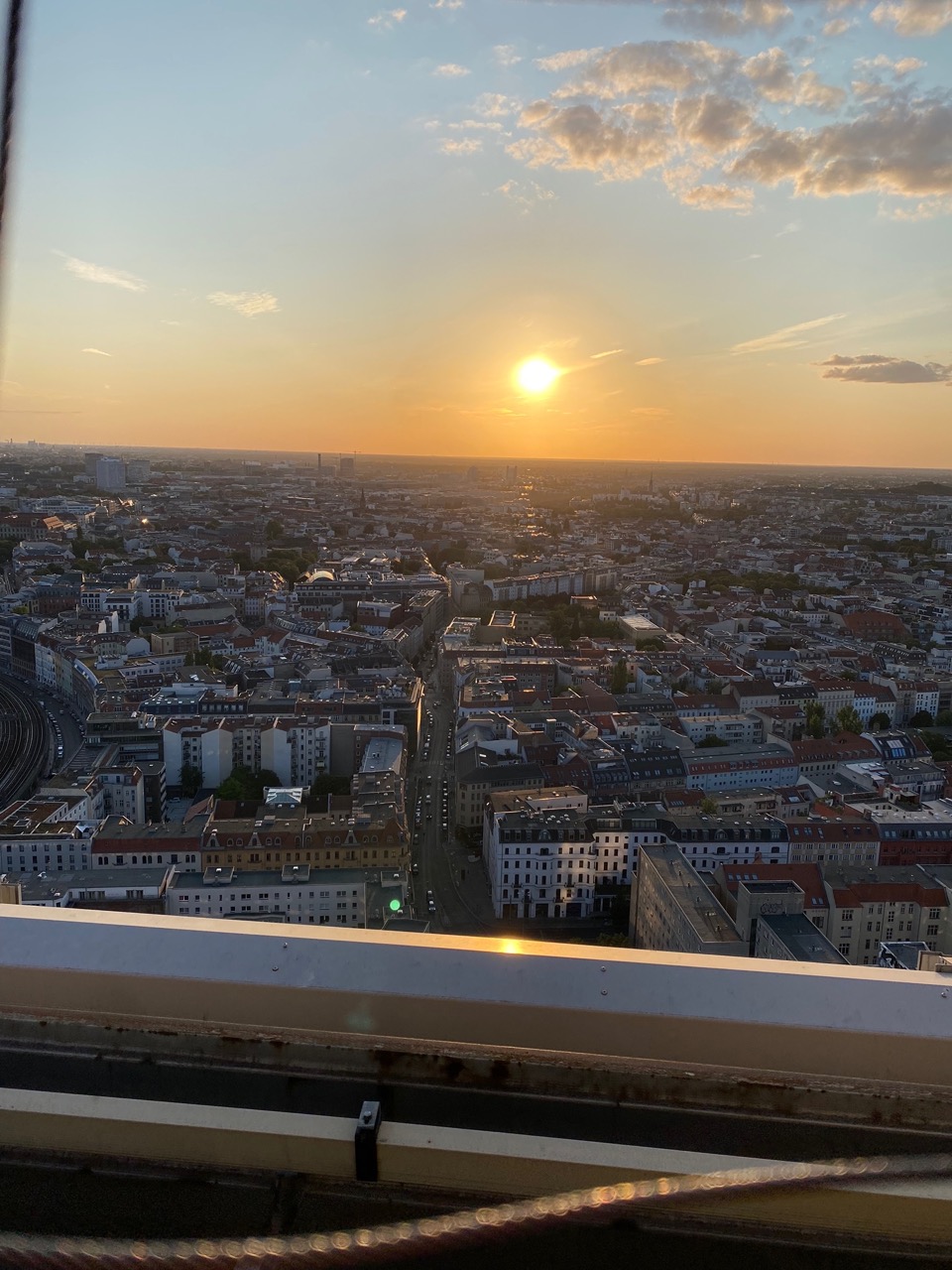
Fernsehturm (Alexanderplatz)
The Fernsehturm Berlin, or Berlin TV Tower, is the city’s tallest structure and a striking symbol of Berlin’s skyline. Located at Alexanderplatz, a bustling square in the heart of the city, the tower offers panoramic views from its observation deck and revolving restaurant. Alexanderplatz itself is a lively hub of shopping, transport, and culture, blending modern city life with historic significance.
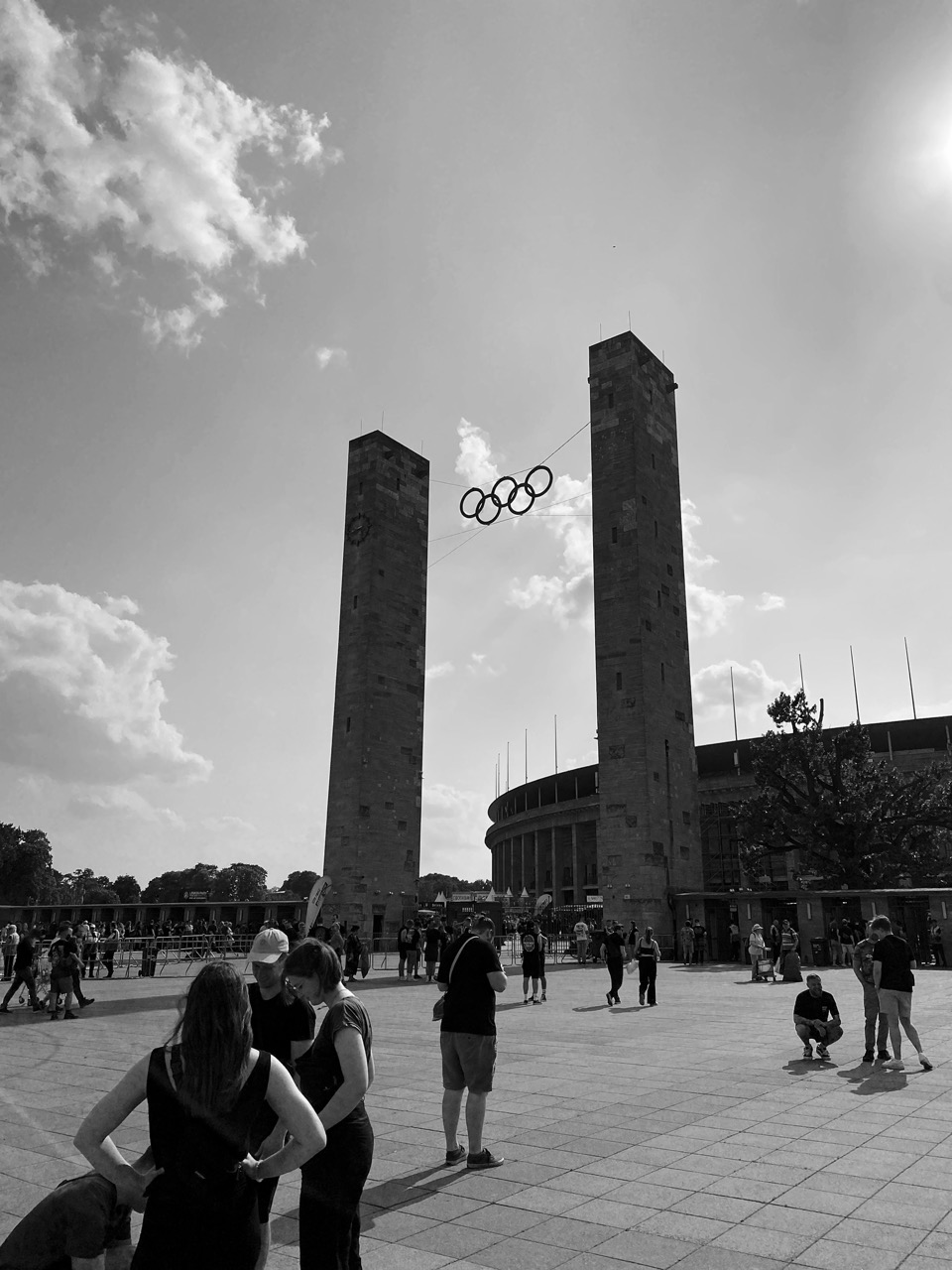
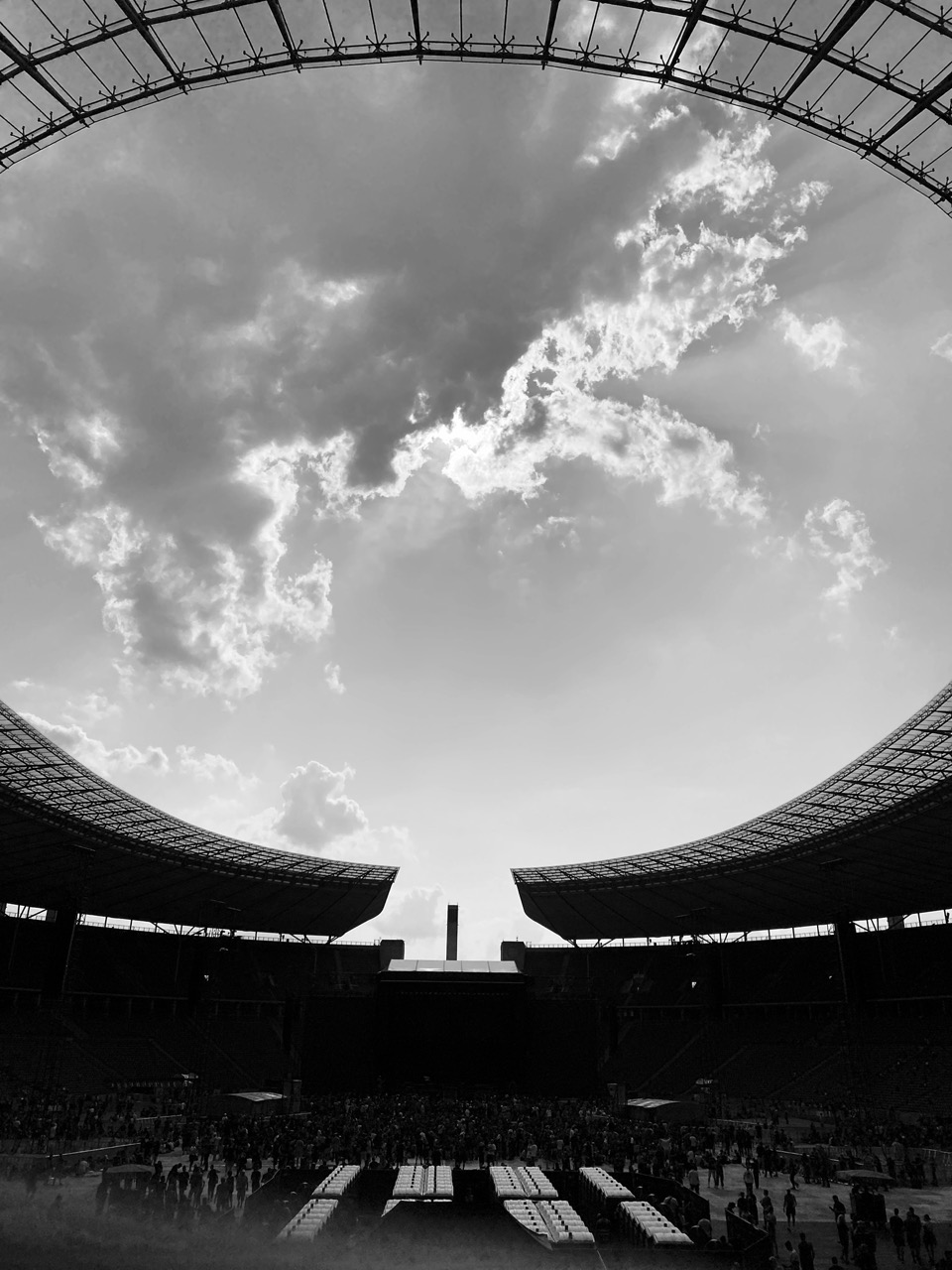
Olympia Stadium
The Olympiastadion Berlin is a historic sports arena known for its impressive architecture and rich sporting legacy. Built for the 1936 Olympic Games, it has hosted major events including football matches, concerts, and international championships.
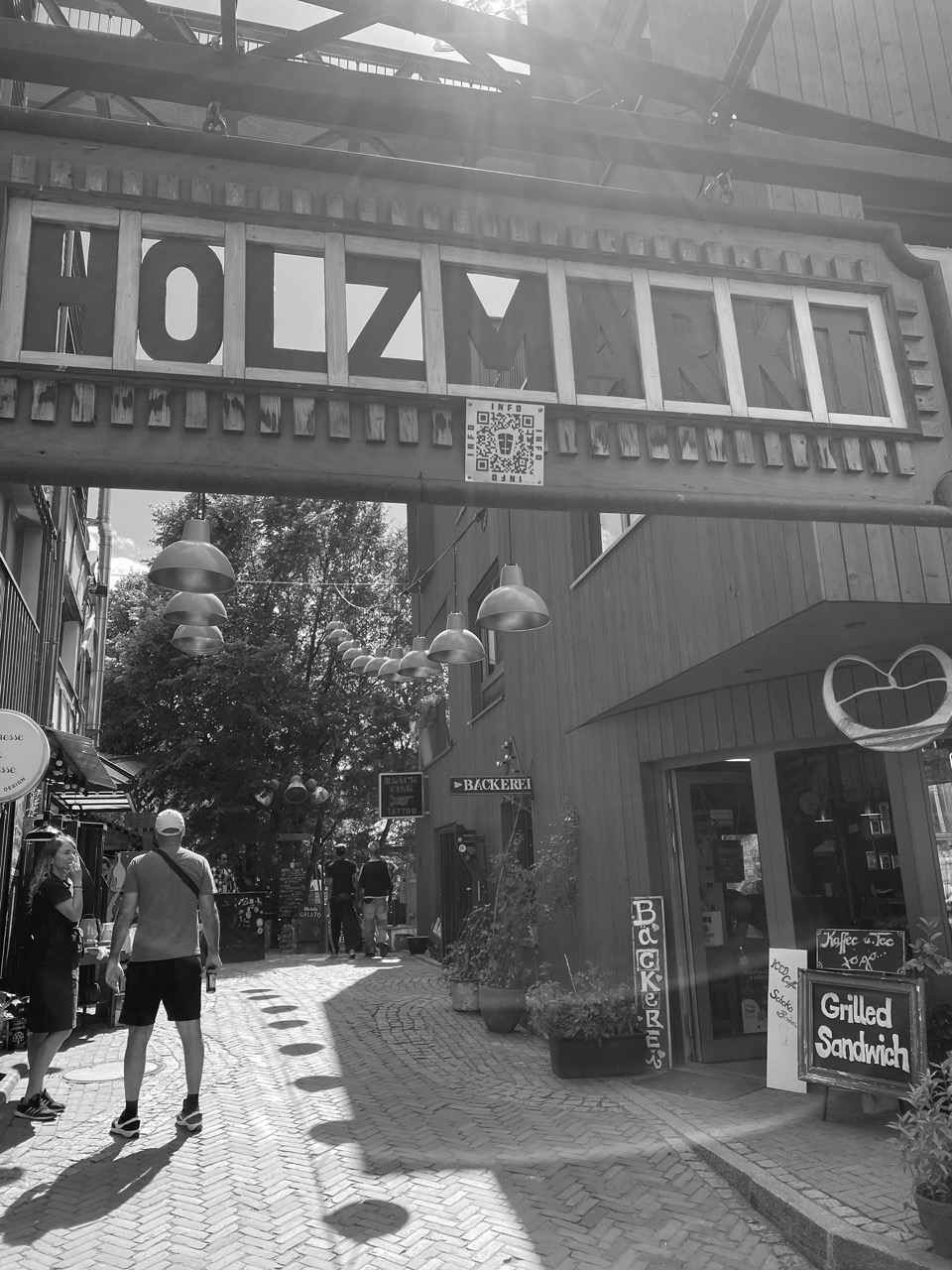
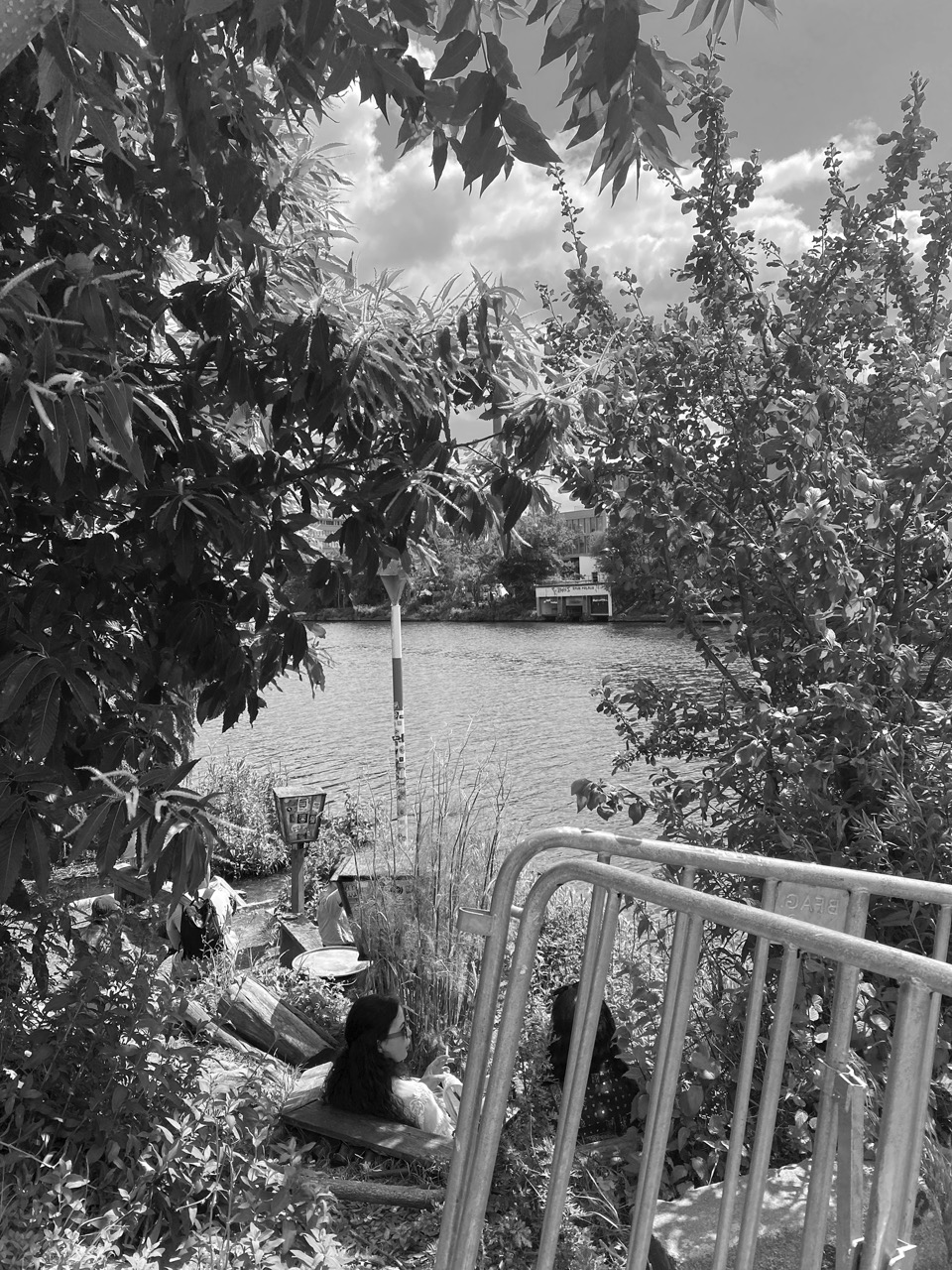
Holzmarkt / Spree (Friedrichshain)
Holzmarkt is a creative and cultural hub located along the Spree River in Berlin’s Friedrichshain district. Known for its vibrant mix of bars, restaurants, art spaces, and workshops, it combines urban lifestyle with community-driven projects. The area celebrates creativity, sustainability, and riverfront leisure, making it a lively spot.
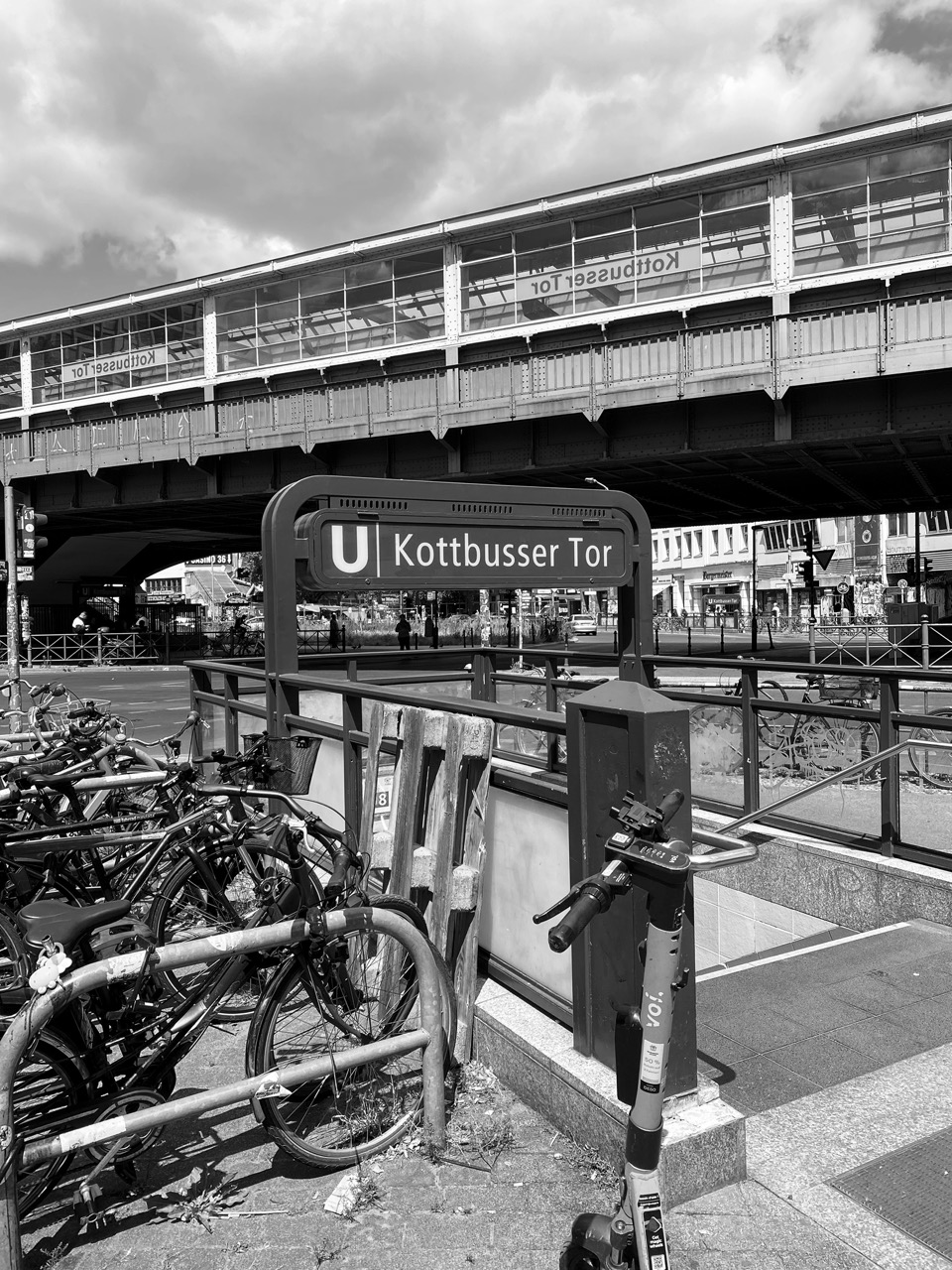
Kreuzberg (Kottbusser Tor)
Kreuzberg, centered around Kottbusser Tor, is one of Berlin’s most dynamic and diverse neighborhoods.
Known for its multicultural atmosphere, vibrant street life, and alternative arts scene, Kreuzberg blends historic buildings with modern cafés, markets, and music venues.
Kurfürstendamm (Ku’damm)
Kurfürstendamm, often called “Ku’damm,” is Berlin’s most famous shopping boulevard, stretching through the western district of Charlottenburg. Lined with luxury boutiques, department stores, cafés, and theaters, it has long been a symbol of the city’s vibrant commercial and cultural life.
Leave a Reply