
Tallinn, the capital of Estonia, is a vibrant blend of medieval charm and modern innovation. Located on the shores of the Baltic Sea, it’s best known for its beautifully preserved Old Town — a UNESCO World Heritage Site filled with cobblestone streets, Gothic spires, and centuries-old merchant houses.
Beyond its historic walls, Tallinn is also a hub of digital advancement and creative energy, home to a thriving tech scene and a lively arts culture. This mix of old-world beauty and cutting-edge spirit makes Tallinn one of Northern Europe’s most captivating cities.
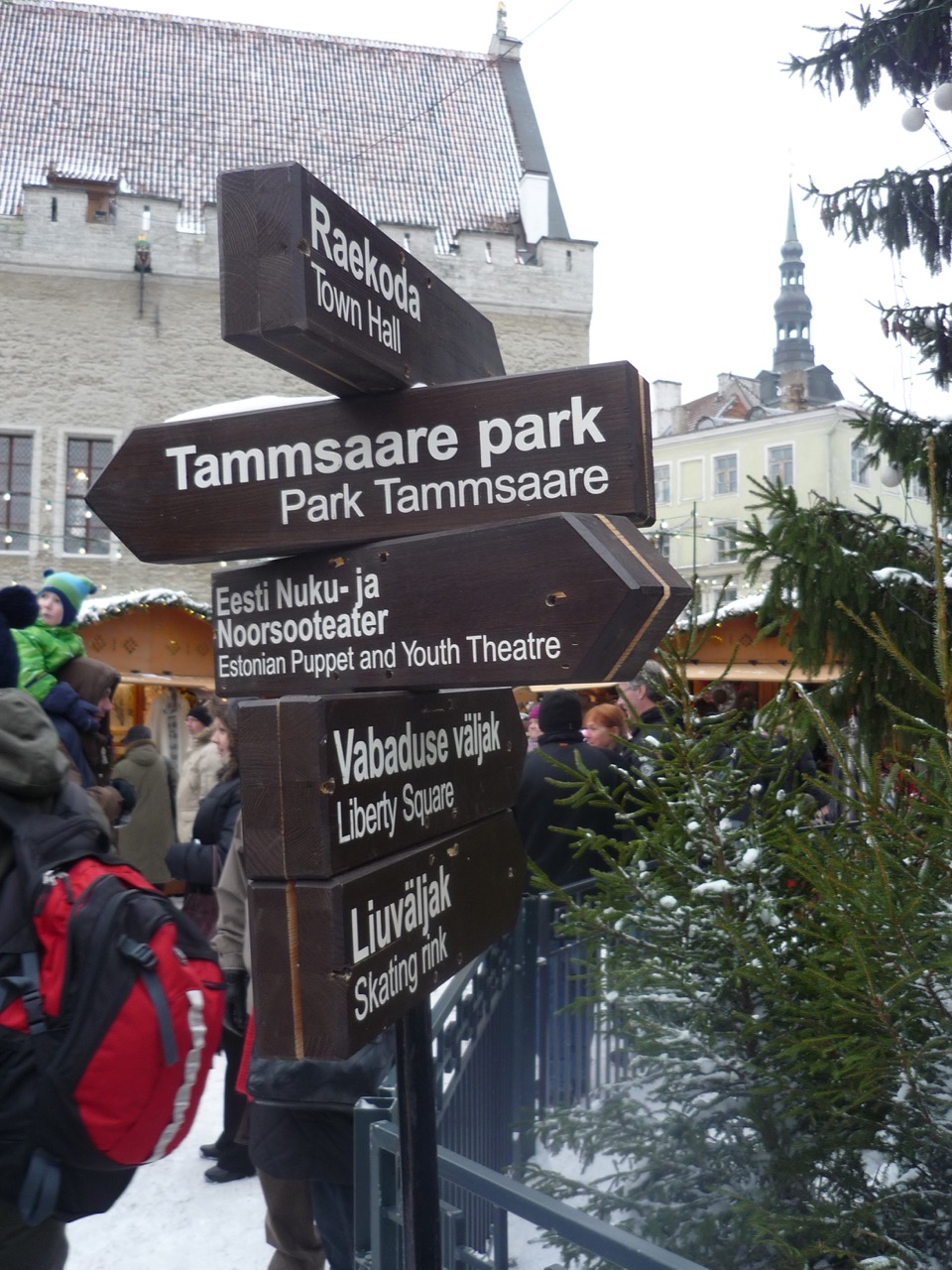
Things to do in Tallinn
Toompea, 10130 Tallinn, Estonia
Oleviste, 10133 Tallinn, Estonia
Holy Spirit Chruch
Raekoja plats
Tornide väljak
Town hall
St. Nicholas Church
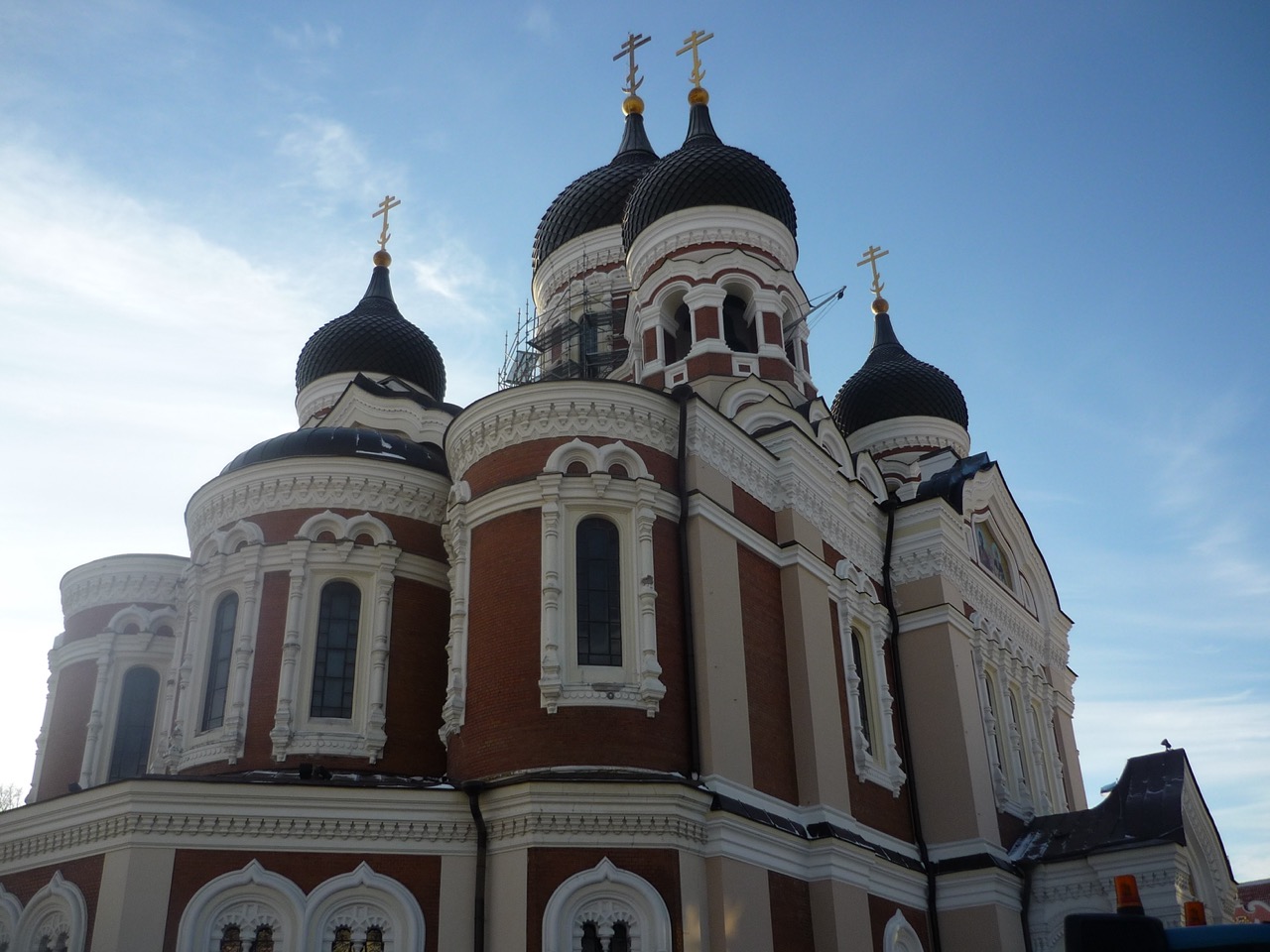
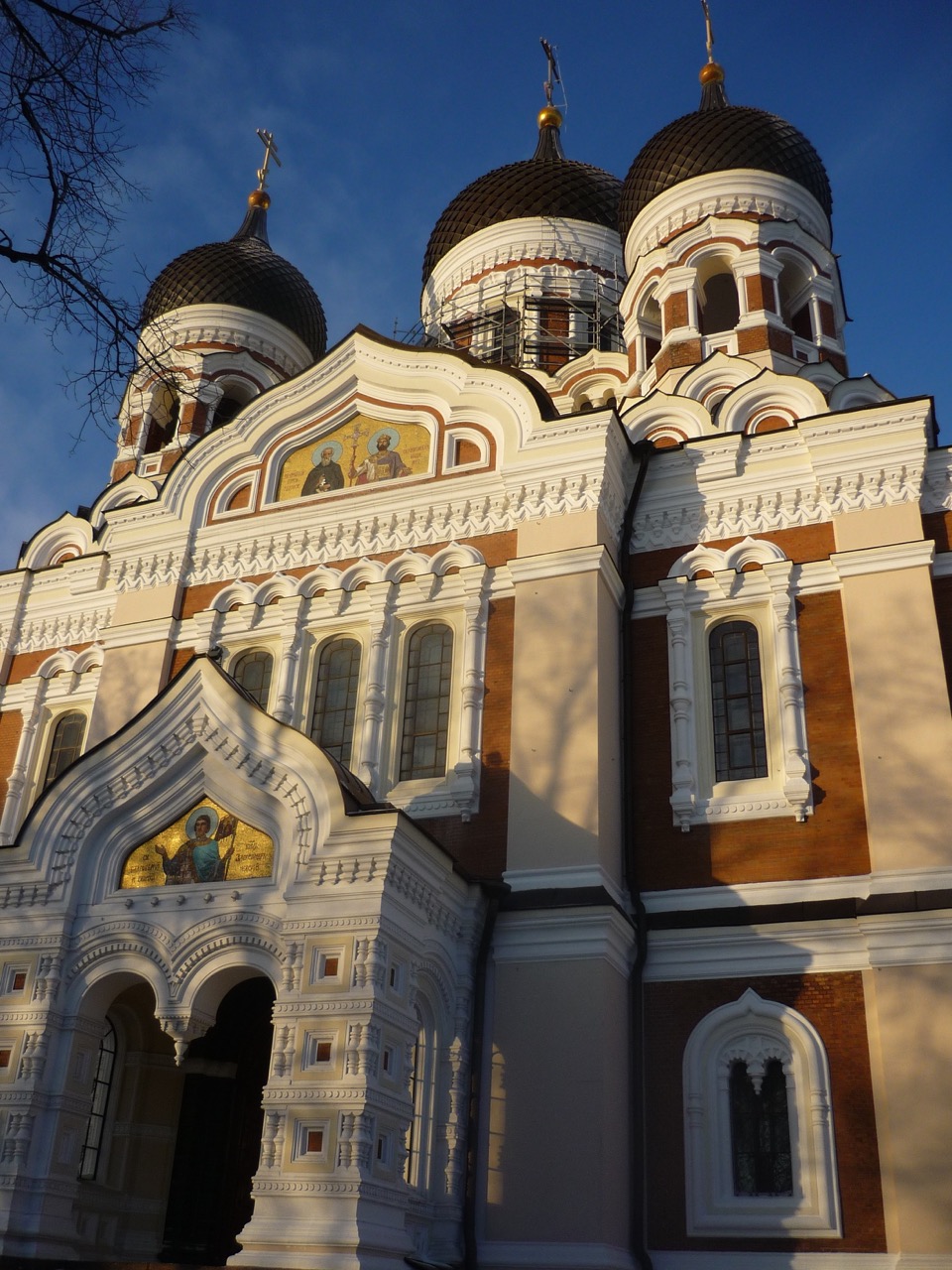
Aleksander Nevski katedraal
St. Mary Cathedral
Kohtuotsa vaateplats
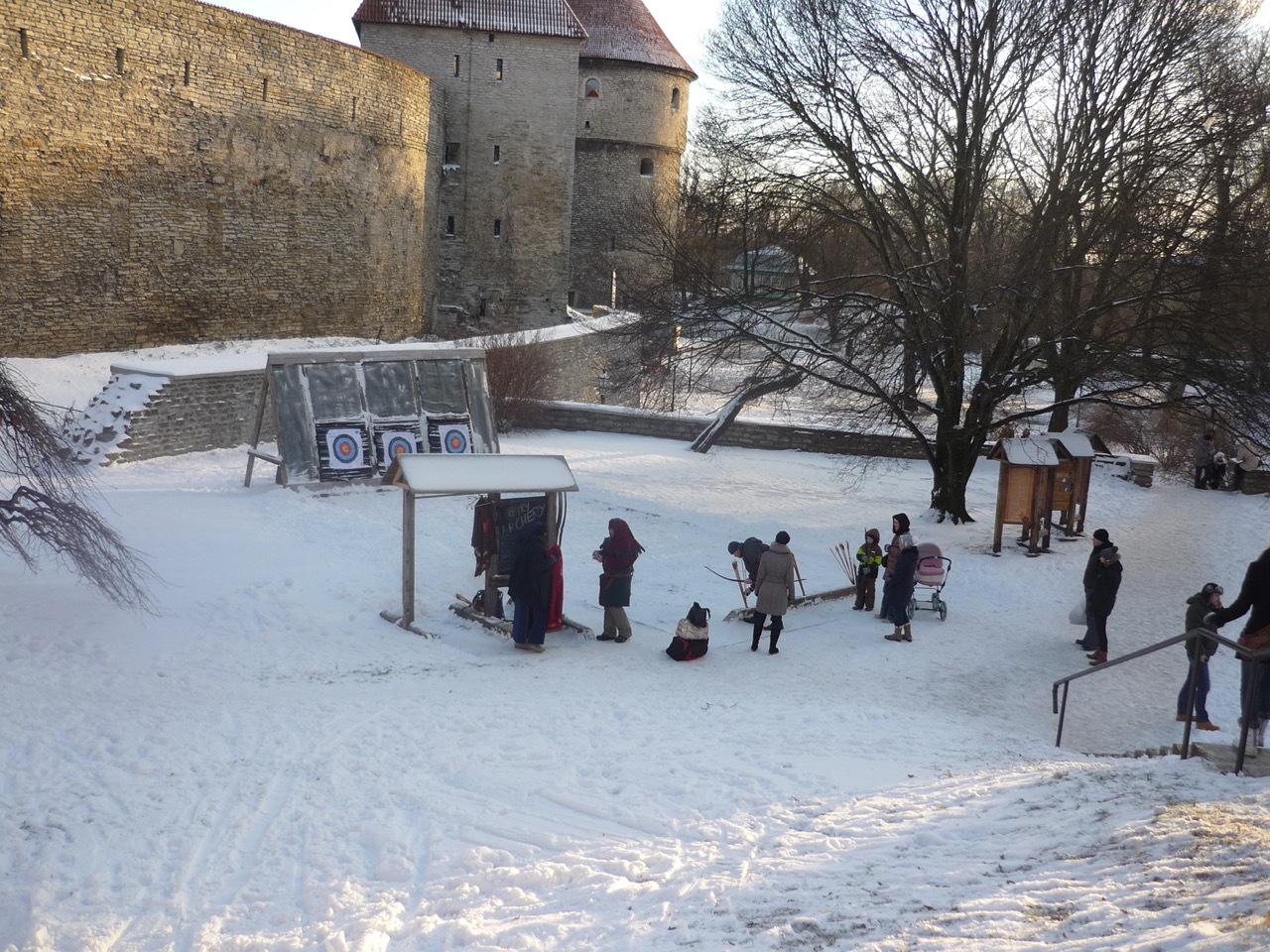
Toompea hill and Toompea Castle
Toompea Hill, rising above Tallinn’s Old Town, is the historic heart and political center of Estonia. Steeped in legend and history, it’s home to the medieval Toompea Castle — now the seat of the Estonian Parliament — and the striking Alexander Nevsky Cathedral with its iconic onion domes.
Aleksander Nevski katedraal
The Alexander Nevsky Cathedral is one of Tallinn’s most striking landmarks, crowning Toompea Hill with its grand onion domes and ornate façade. Built in the late 19th century during Estonia’s time under Russian rule, the cathedral is dedicated to Saint Alexander Nevsky, a revered Russian military hero and saint. Its richly decorated interior, filled with mosaics and icons, reflects the splendor of Russian Orthodox tradition. Today, the cathedral stands not only as a place of worship but also as a powerful reminder of Estonia’s complex history and cultural diversity.
St. Mary Cathedral
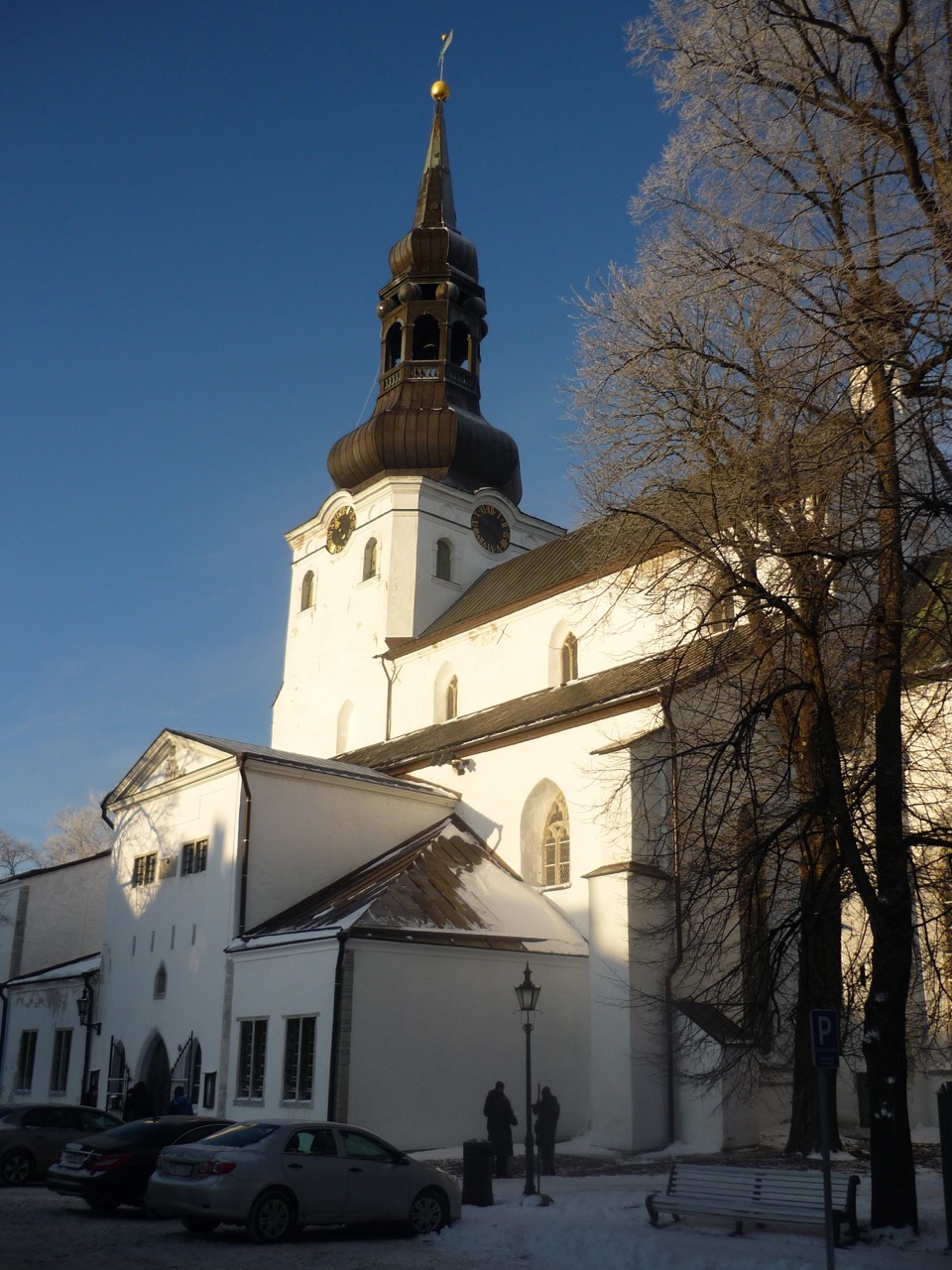
St. Mary’s Cathedral (in Estonian: Tallinna Püha Neitsi Maarja Piiskoplik Toomkirik, or simply Toomkirik) is the oldest church in mainland Estonia, located atop Toompea Hill in Tallinn. Originally founded in the early 13th century as a Catholic cathedral under Danish rule, it became Lutheran after the Reformation in 1561.
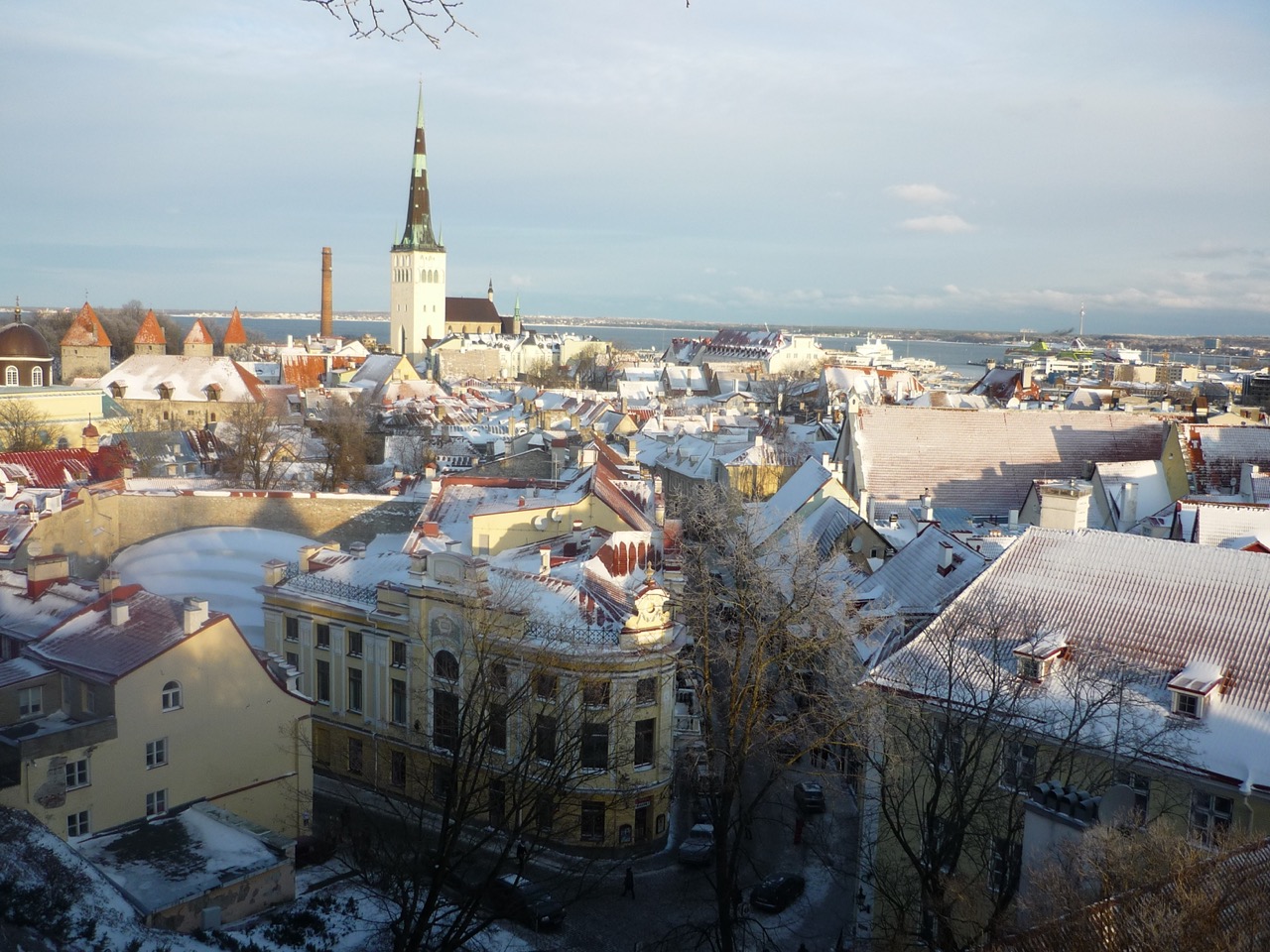
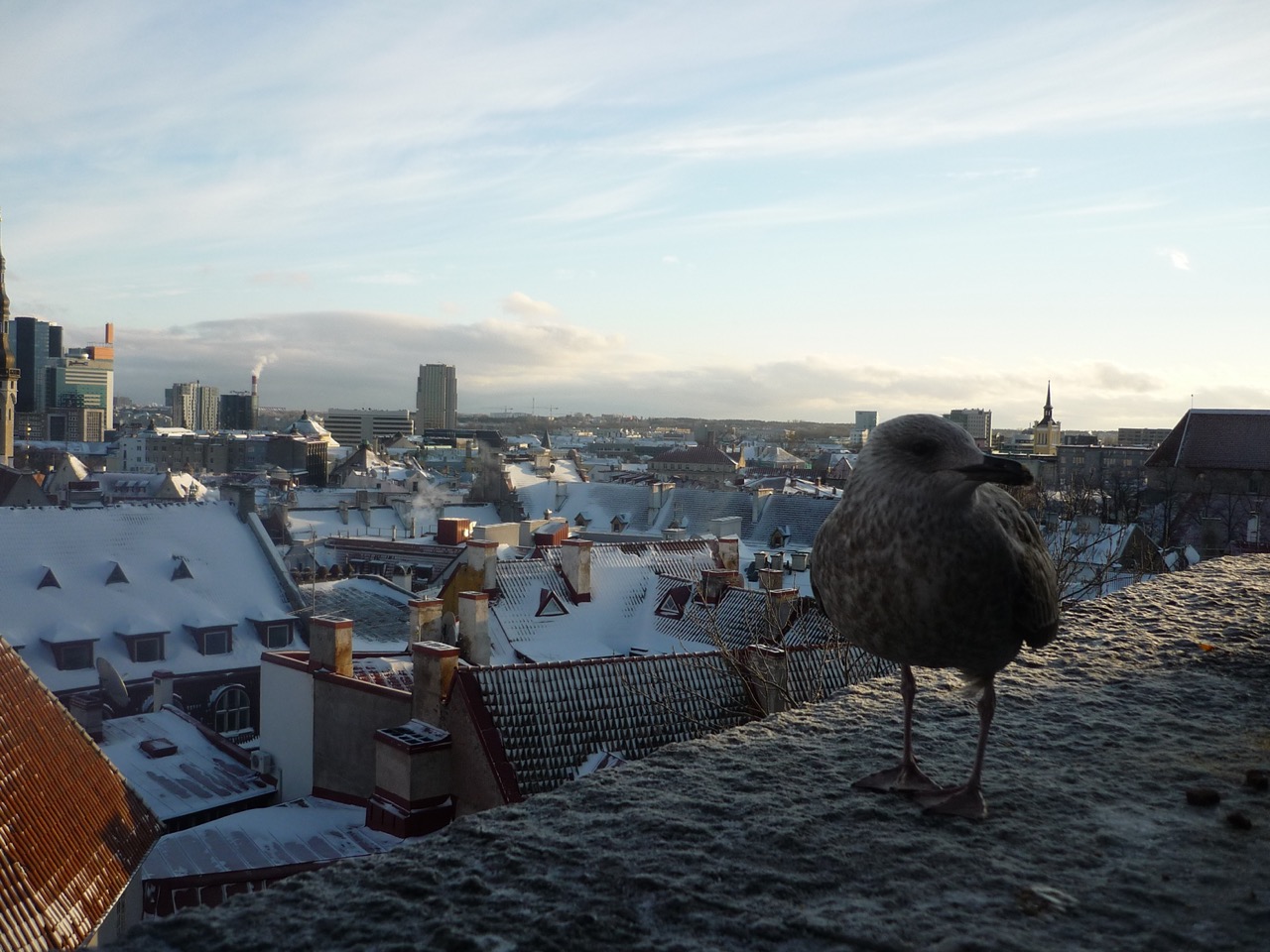
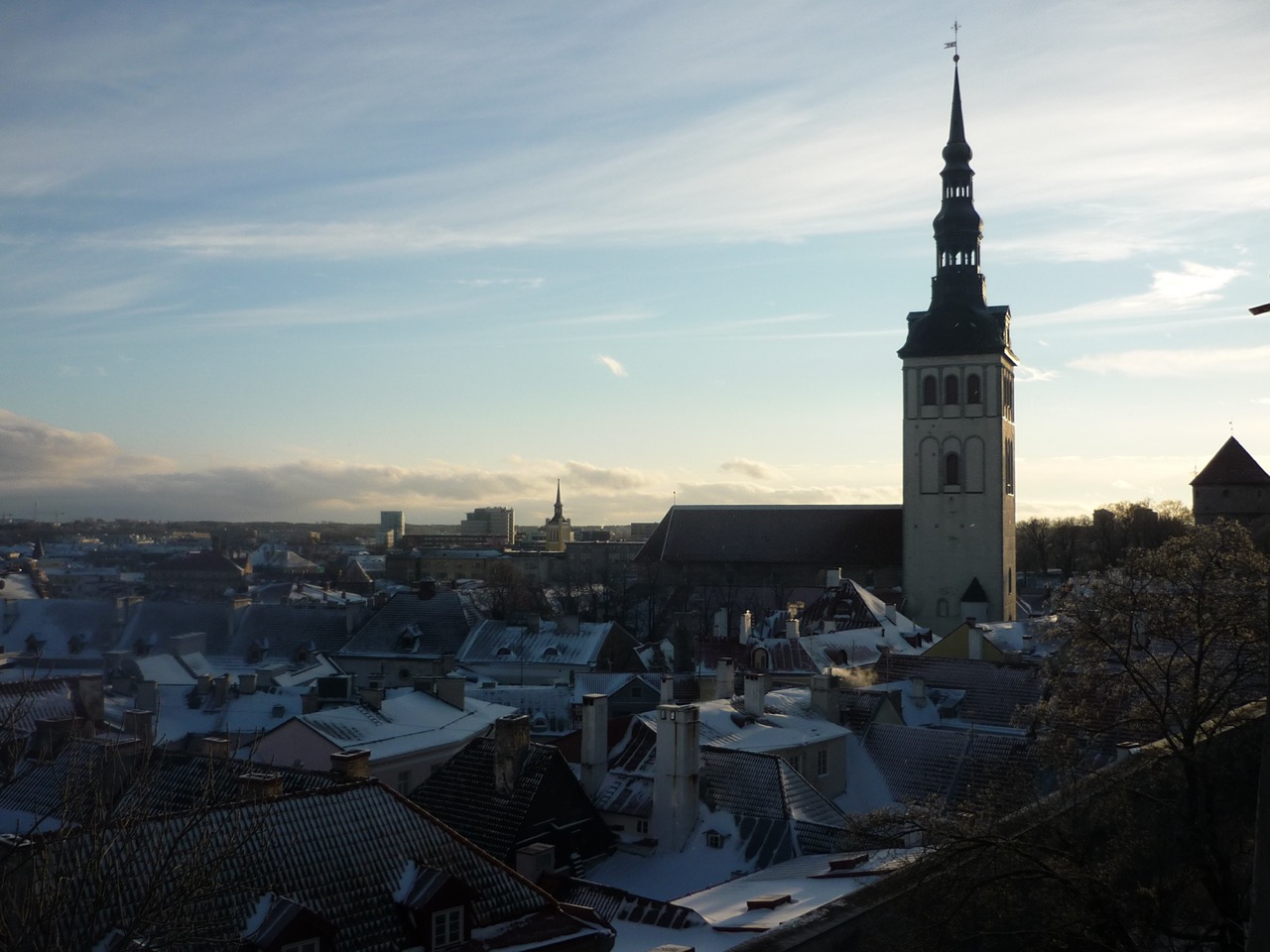
Kohtuotsa vaateplatvorm (Kohtuotsa Viewing Platform)
Kohtuotsa vaateplatvorm (Kohtuotsa Viewing Platform) is a beautiful viewpoint perched on the northern side of Toompea Hill in Tallinn. From there, you get sweeping views of the Old Town’s red rooftops and lofty church spires, the modern skyline of the city centre, the port, Pirita, and even the Gulf of Finland—all year round, whatever the weather.
Raekoja plats (Town Hall Square) and Tallinn Town Hall
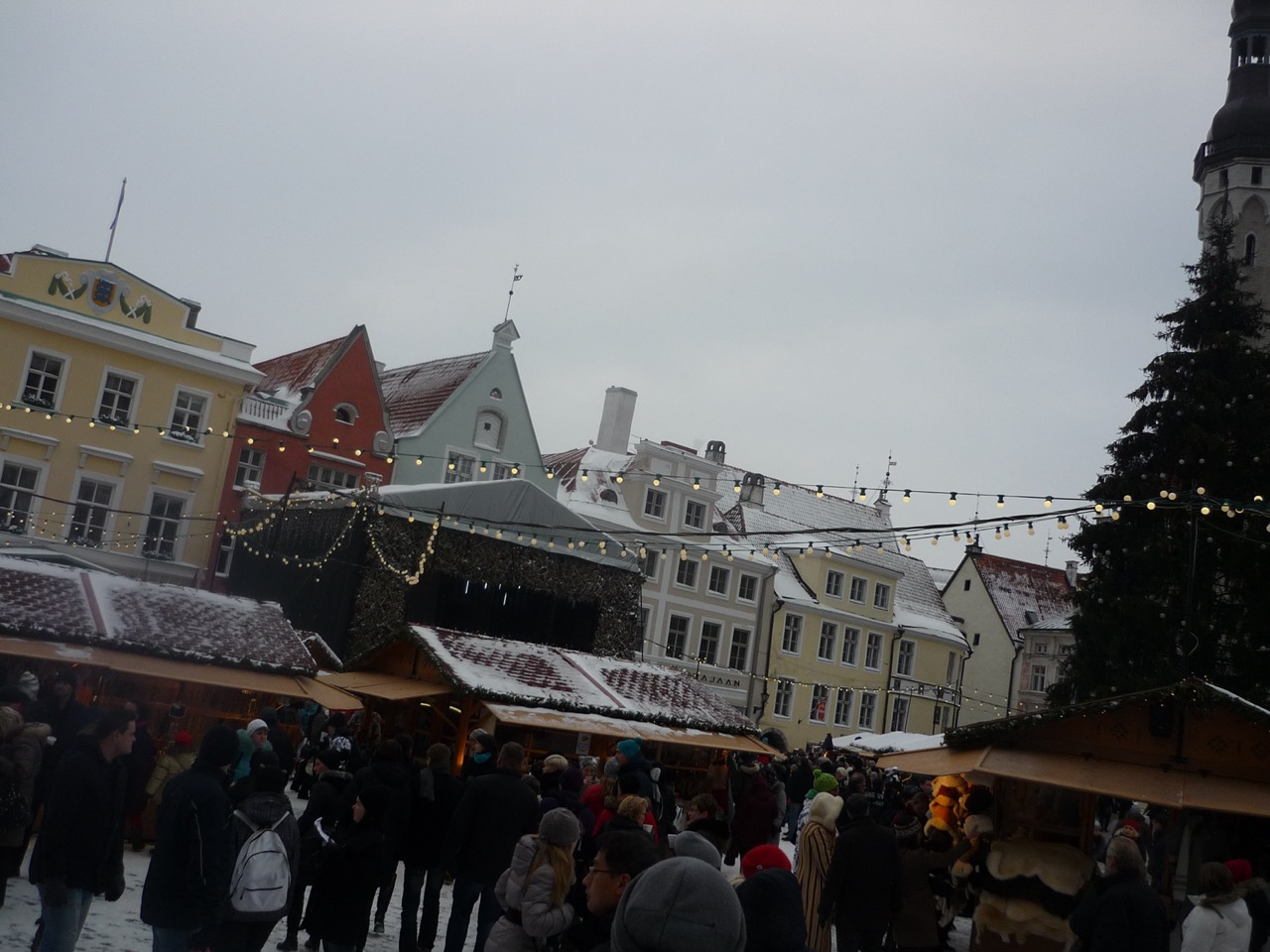
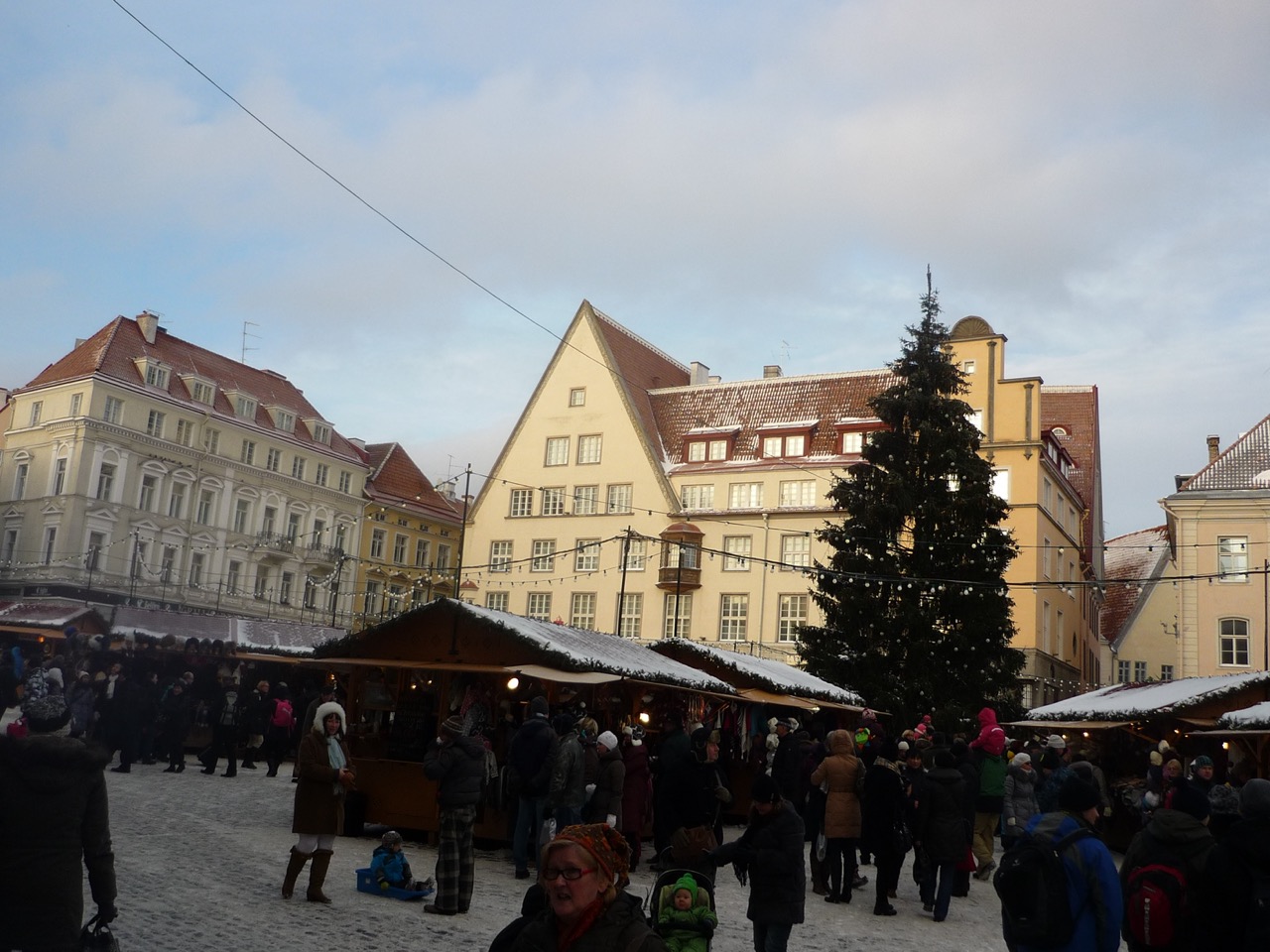
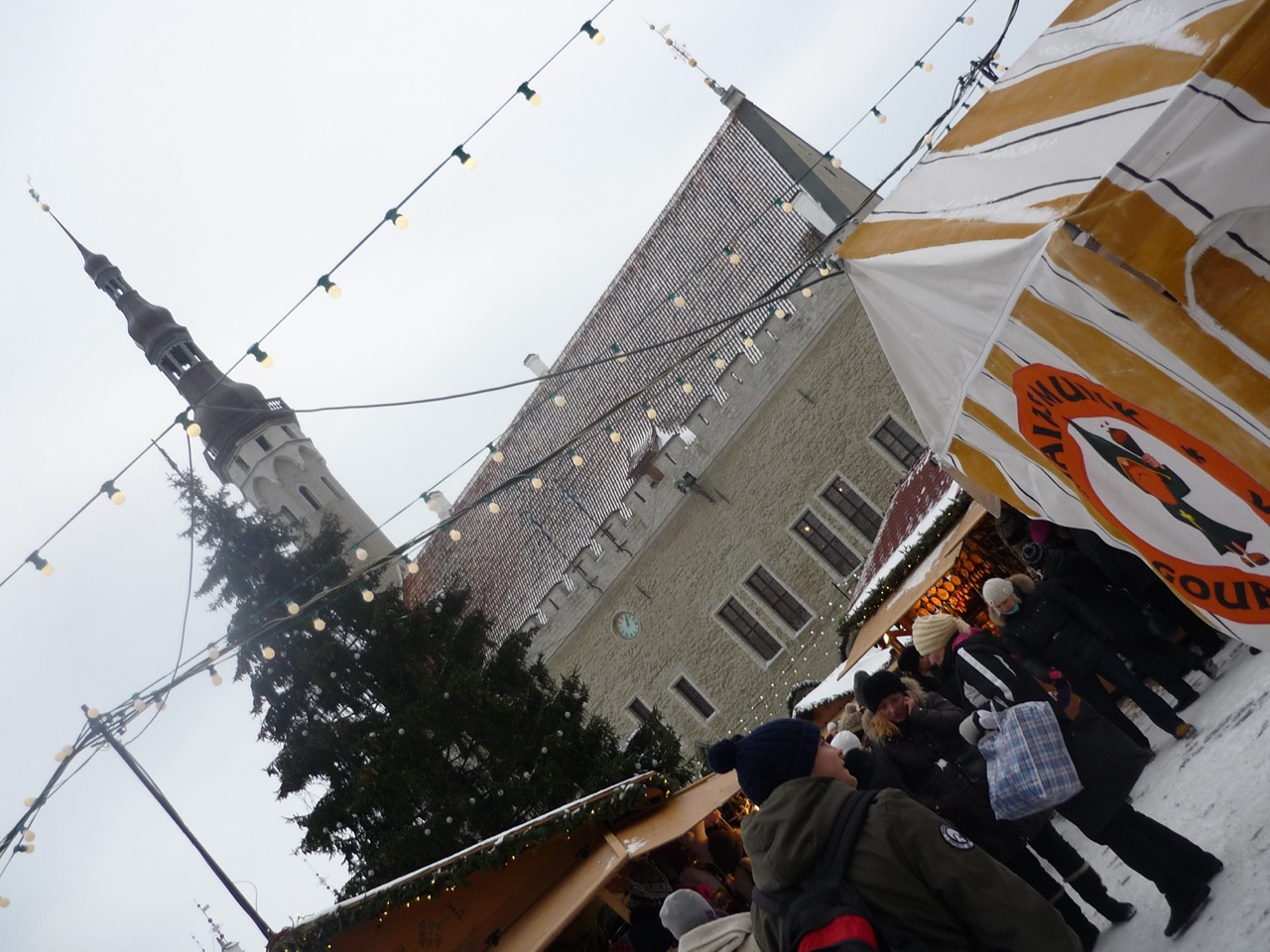
Raekoja plats, Tallinn’s historic Town Hall Square, is the vibrant heart of the city’s Old Town. Surrounded by colorful medieval merchant houses, the square is dominated by the Gothic-style Tallinn Town Hall, dating back to the 14th century. Throughout the year, Raekoja plats hosts lively events, markets, and festivals, but it is especially magical during winter, when Estonia’s largest Christmas market transforms the square into a festive wonderland filled with lights, handcrafted gifts, and the scent of mulled wine.
St. Nicholas Church
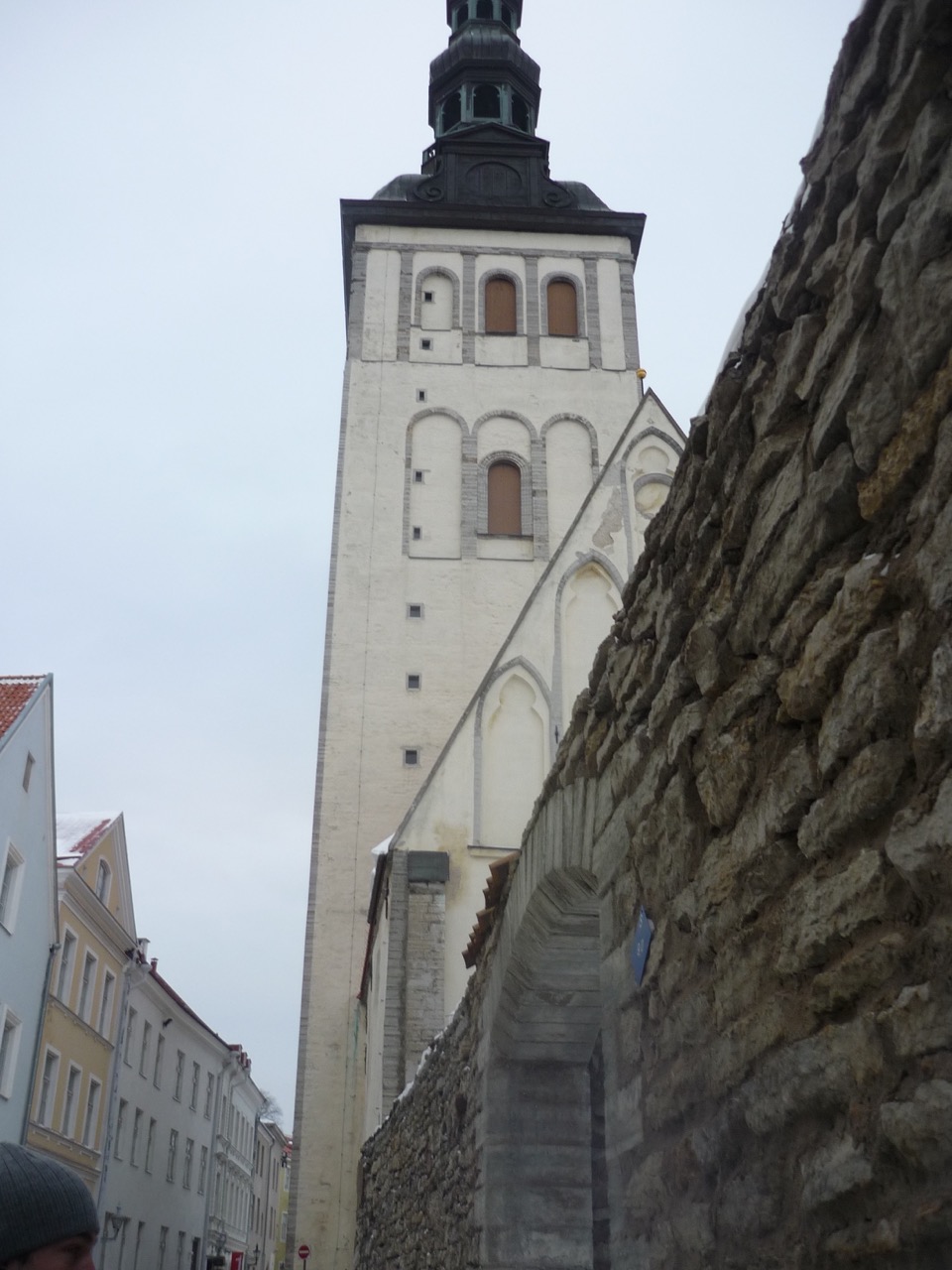
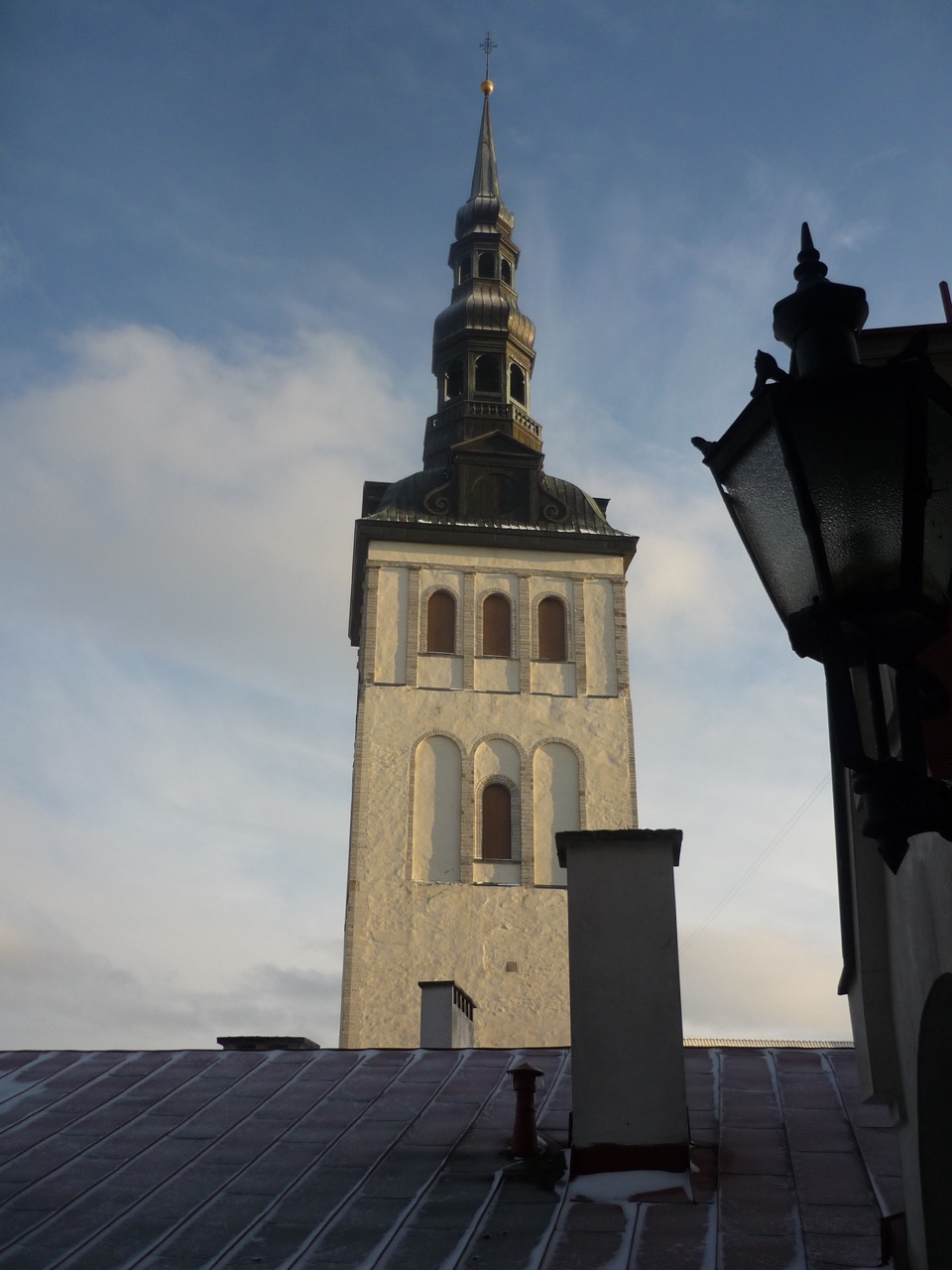
St. Nicholas’ Church, also known as Niguliste Church, is a historic gem nestled in Tallinn’s medieval Old Town. Founded in the mid-13th century by Westphalian merchants, it served as one of the city’s two main parish churches and was dedicated to St. Nicholas, the patron saint of sailors and merchants
Church of the Holy Spirit (Püha Vaimu kirik)
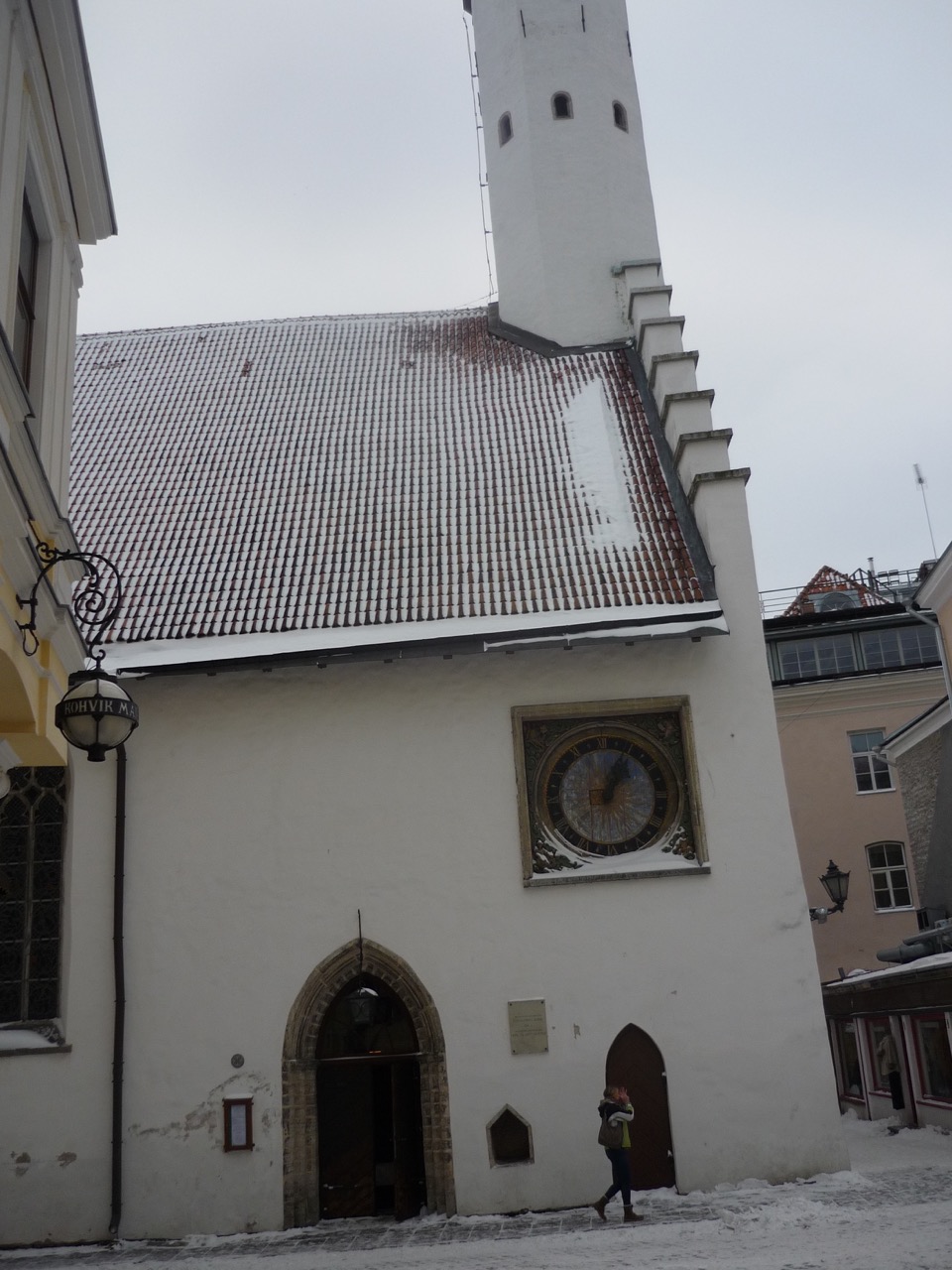
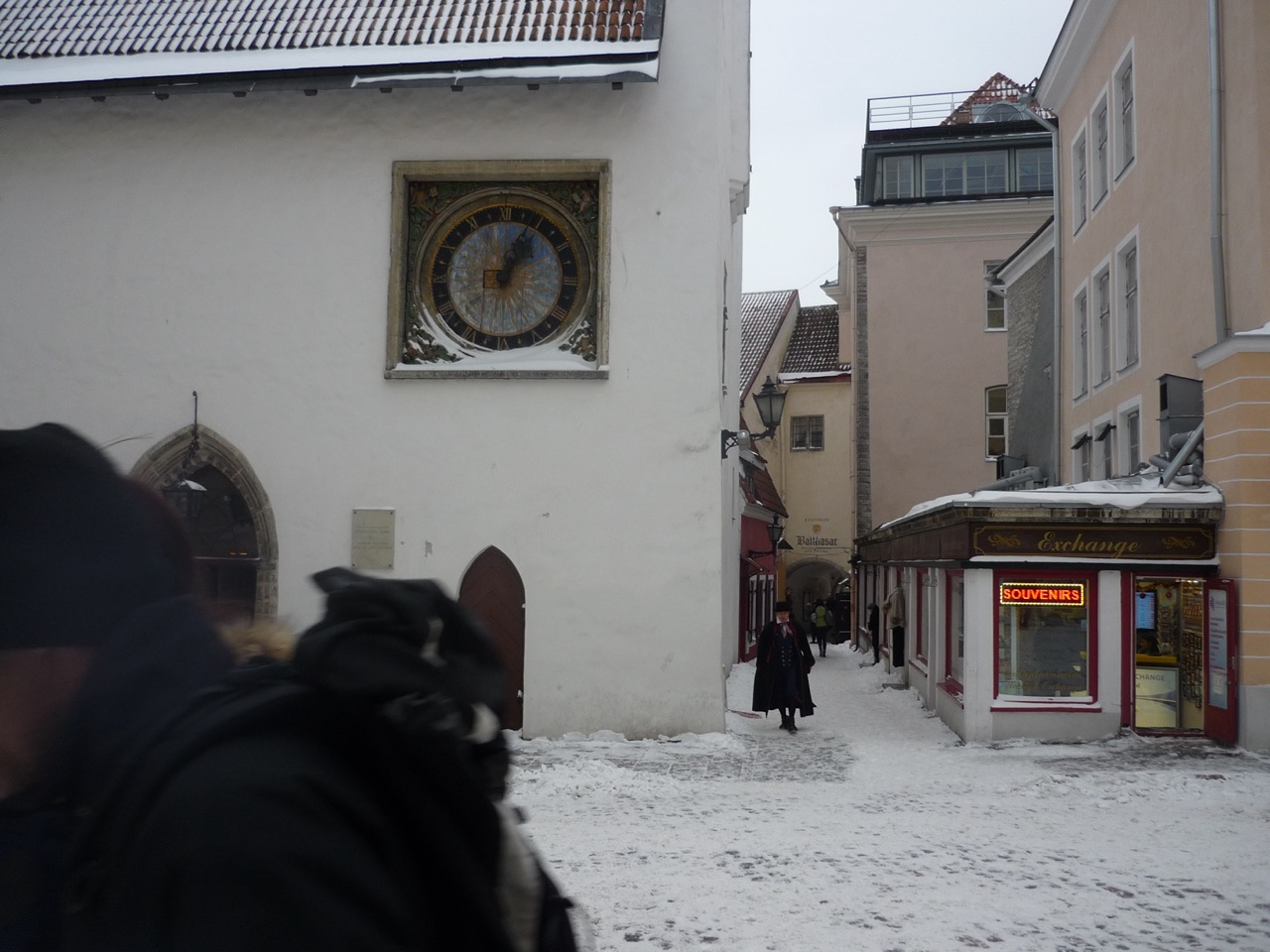
The Church of the Holy Spirit (Püha Vaimu kirik) is a charming Gothic Lutheran church nestled in the heart of Tallinn’s Old Town. Dating back to the late 13th century, it is one of the city’s oldest and most cherished structures.
St. Olaf’s Church (Oleviste kirik)
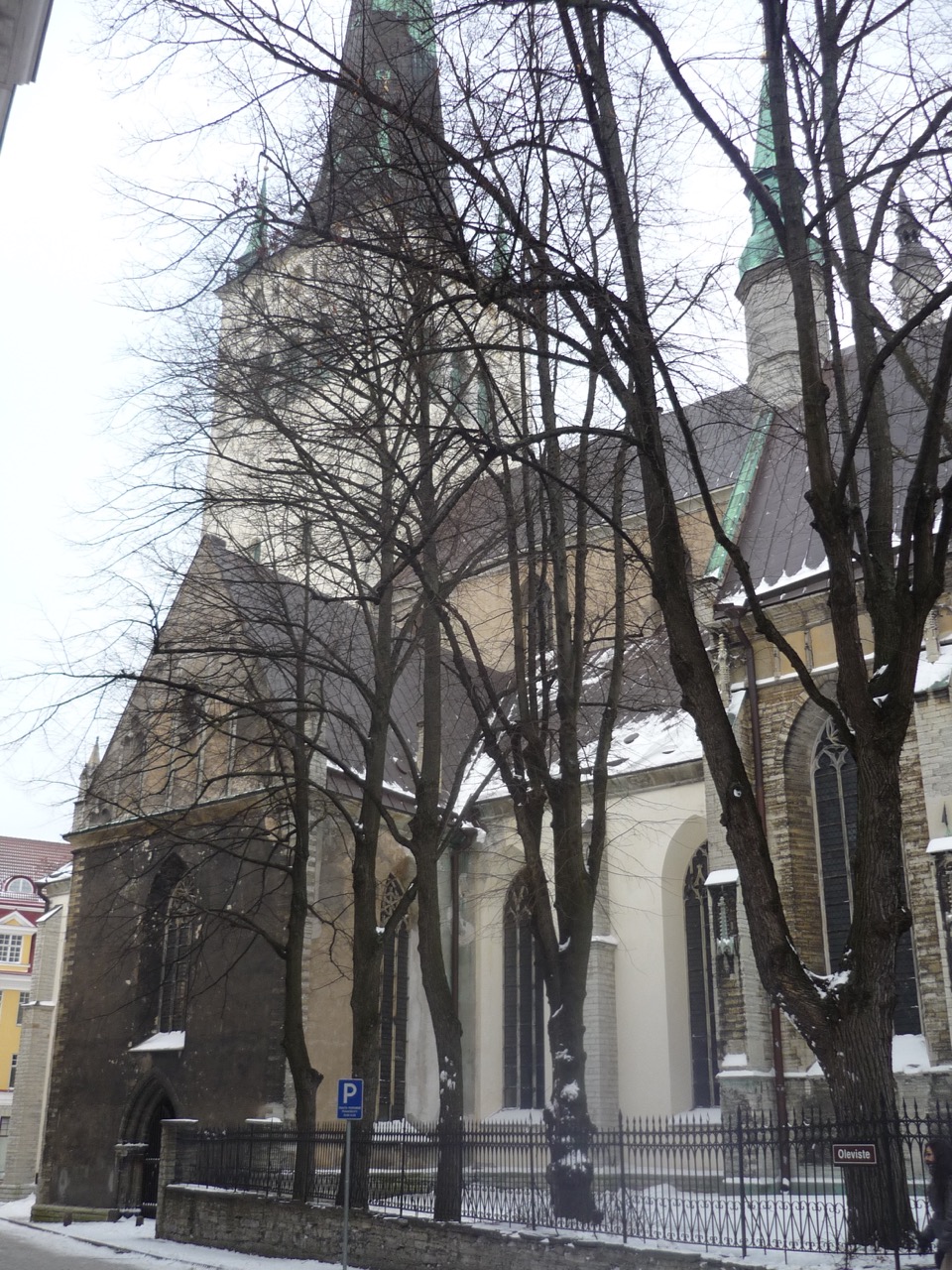
St. Olaf’s Church (Oleviste kirik) is a historic landmark in Tallinn, Estonia, with origins tracing back to the 12th century. Dedicated to King Olaf II of Norway, the church was a central place of worship for the Scandinavian community in medieval Tallinn. The first written mention of the church dates to 1267, and it underwent significant reconstruction in the 14th century
Leave a Reply